
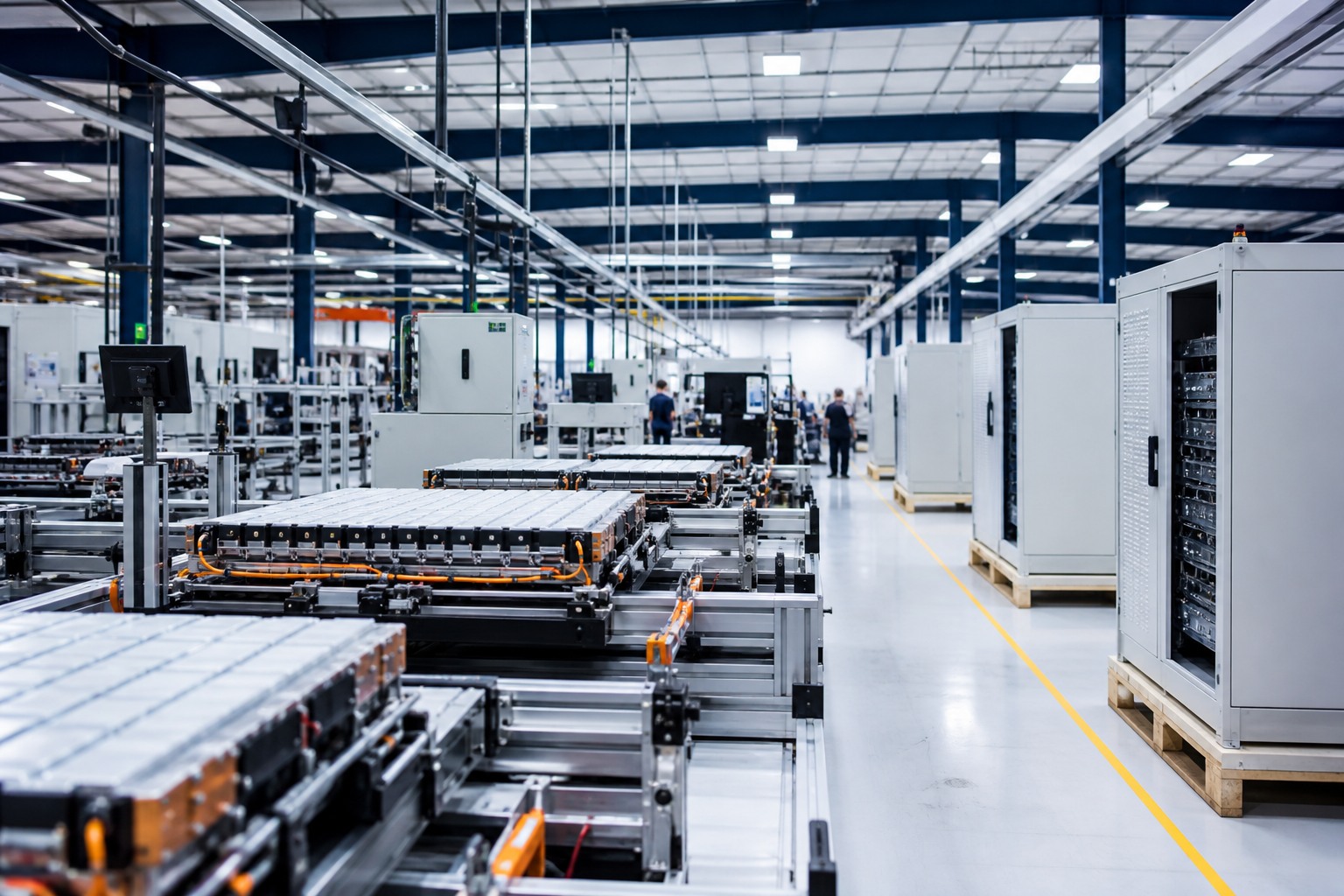
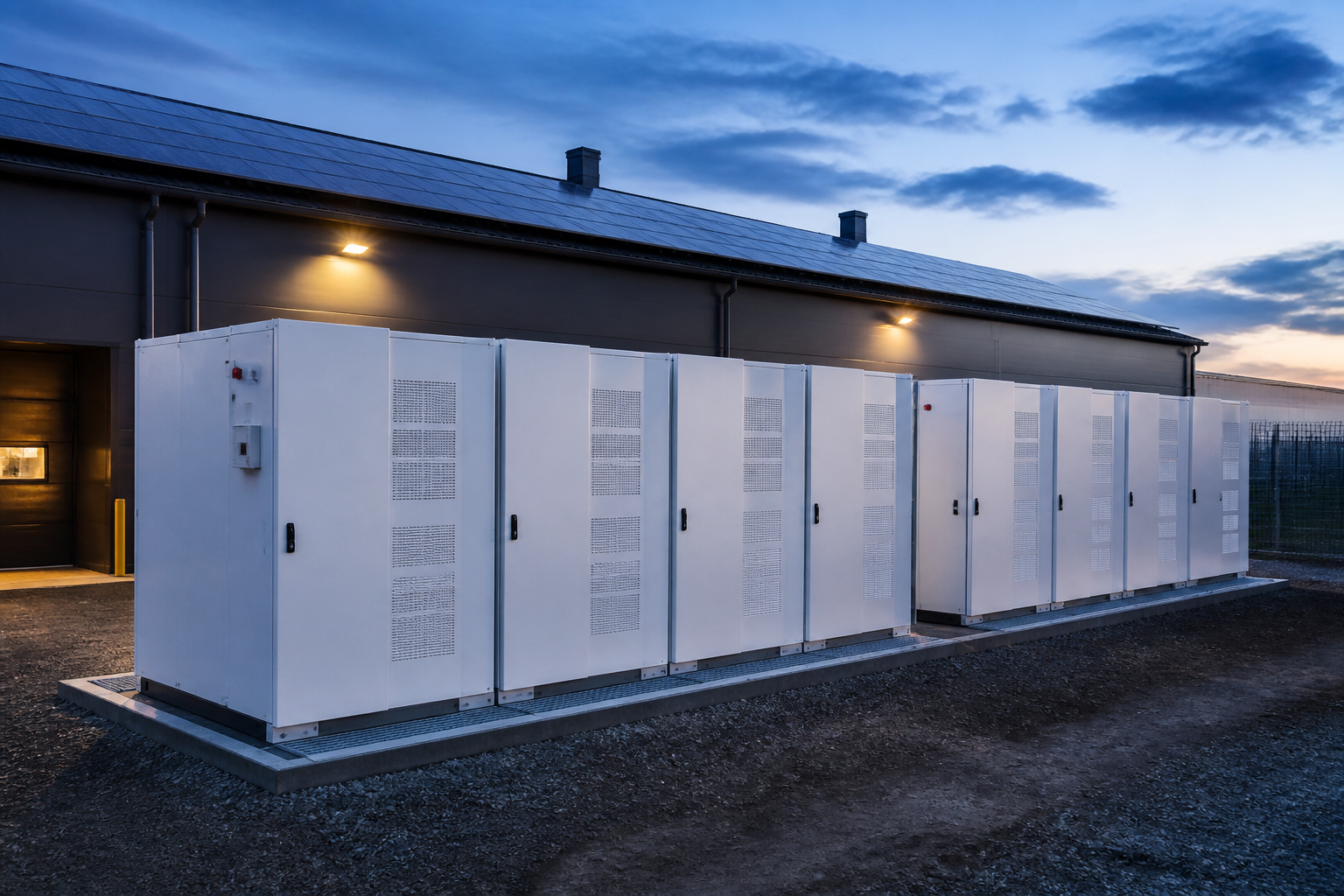
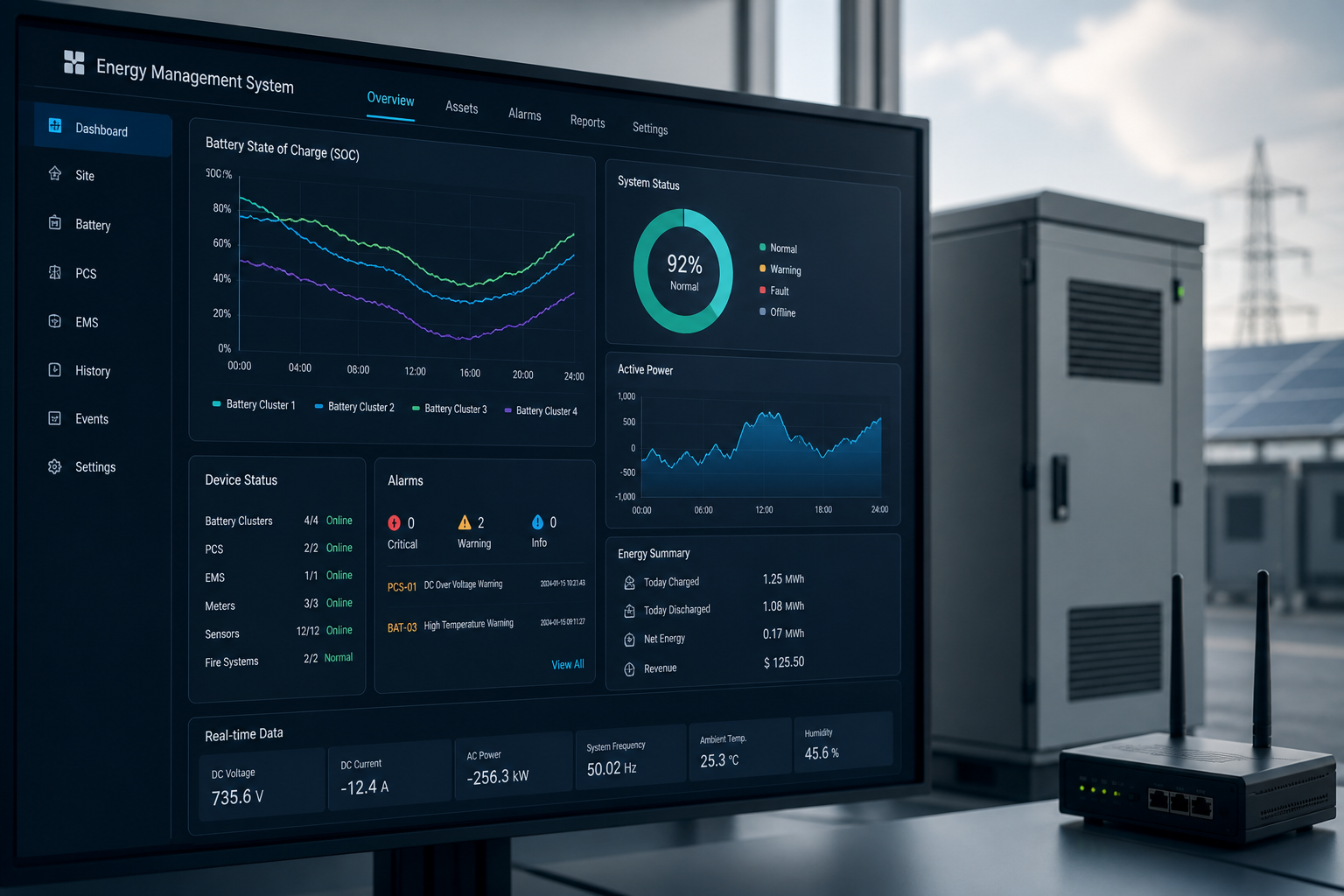
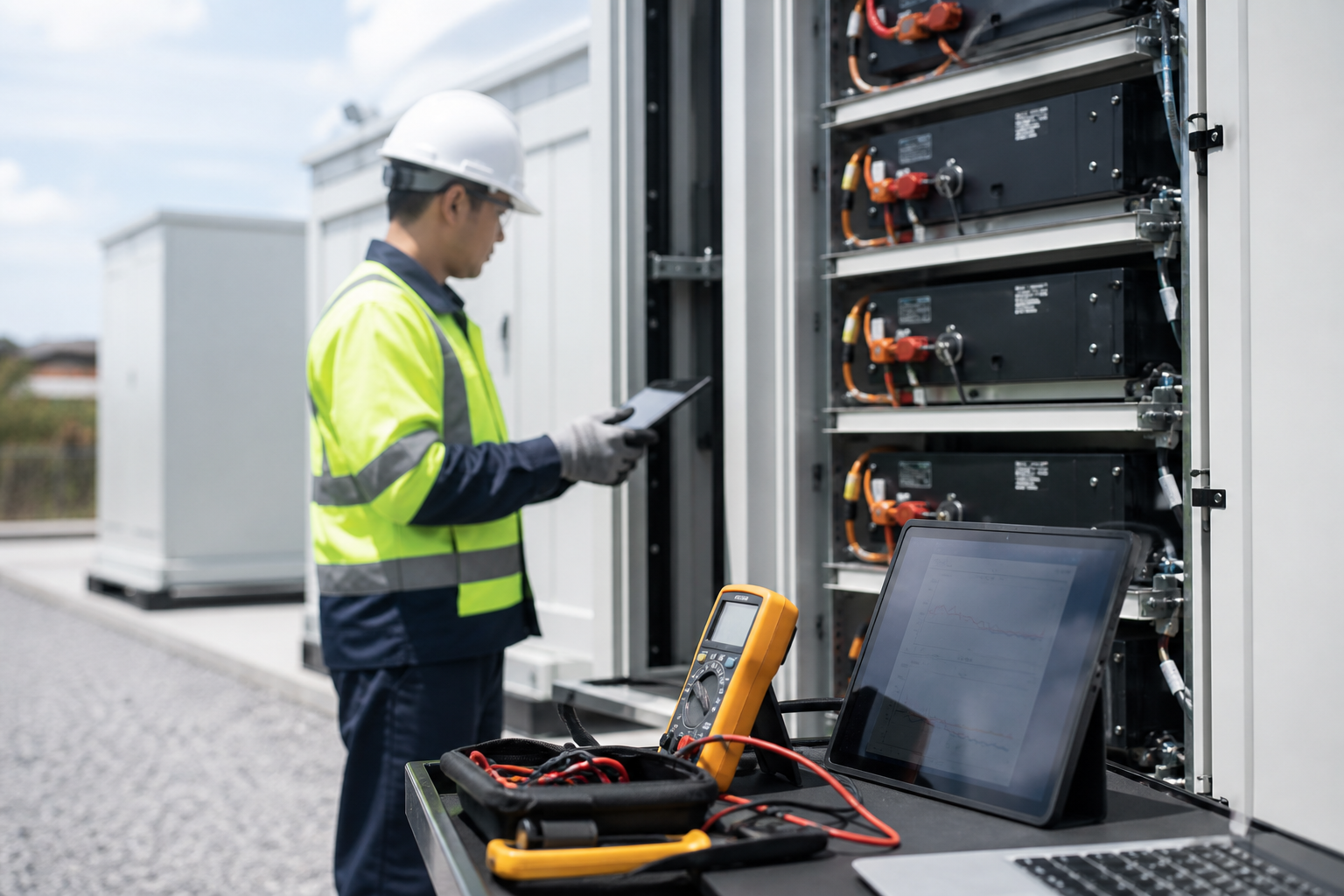
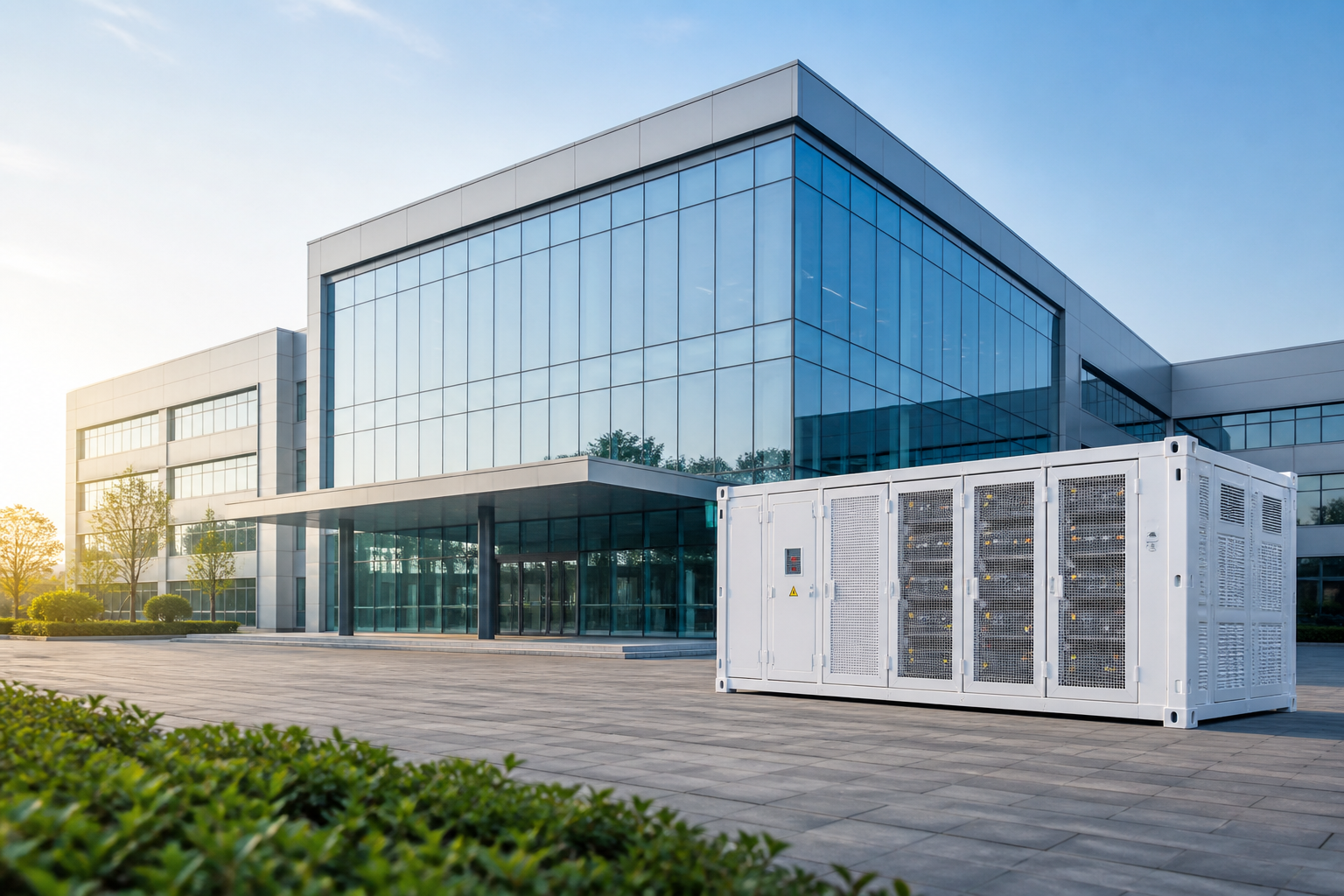
Integrated lithium battery energy storage solutions
Battery Swapping Network from recalculation into automated power exchange

Battery Swapping Network

Let vehicles, batteries and sites flow in an orderly fashion in the same network

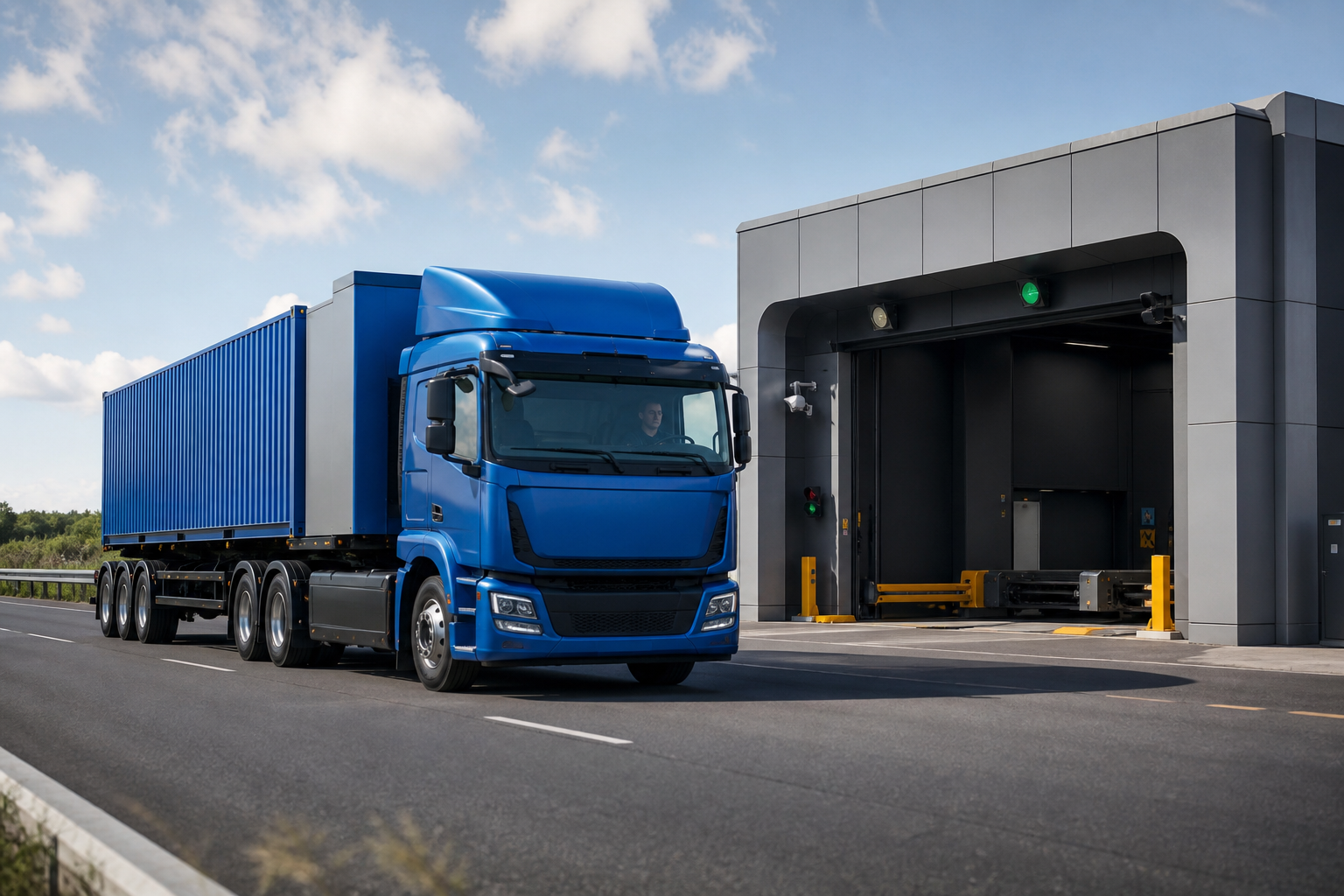
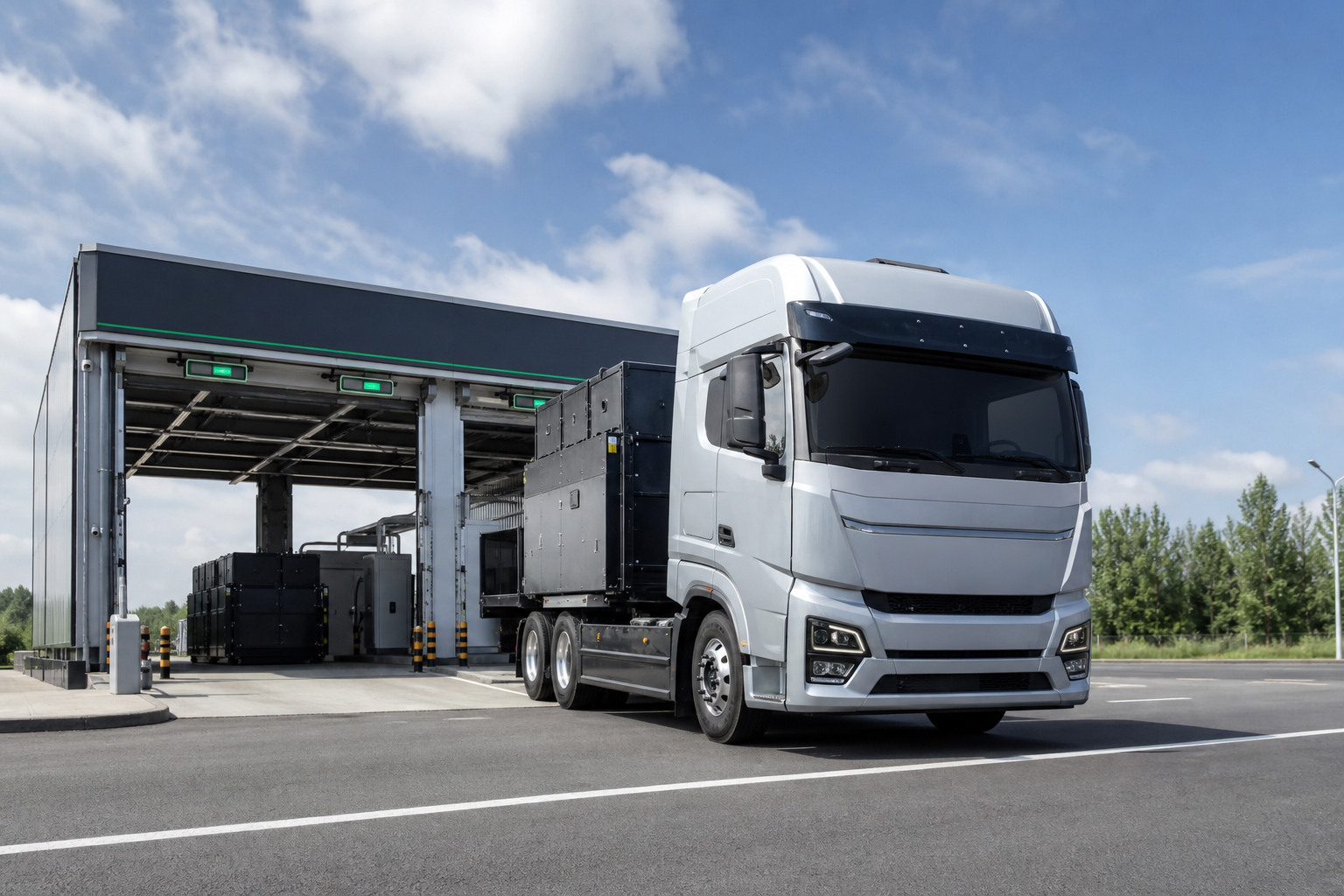
The Sky Chain Battery Swapping Network TC-SWAP, a car, electricity station, is working together to achieve high-availability and efficient hard-calorized energy services under grid constraints.

The motorcade and the parking space

Appointments, queues, identification, guidance and parking arrangements.

Battery assets throughout their life cycle

Identity, health, state, life, safety management.

Power capacity bound to charge.

Peak Valley strategy, capacity constraints, flexible power distribution.

Multi-site coordination and dispatch

Cross-site, cross-region network-level task coordination.

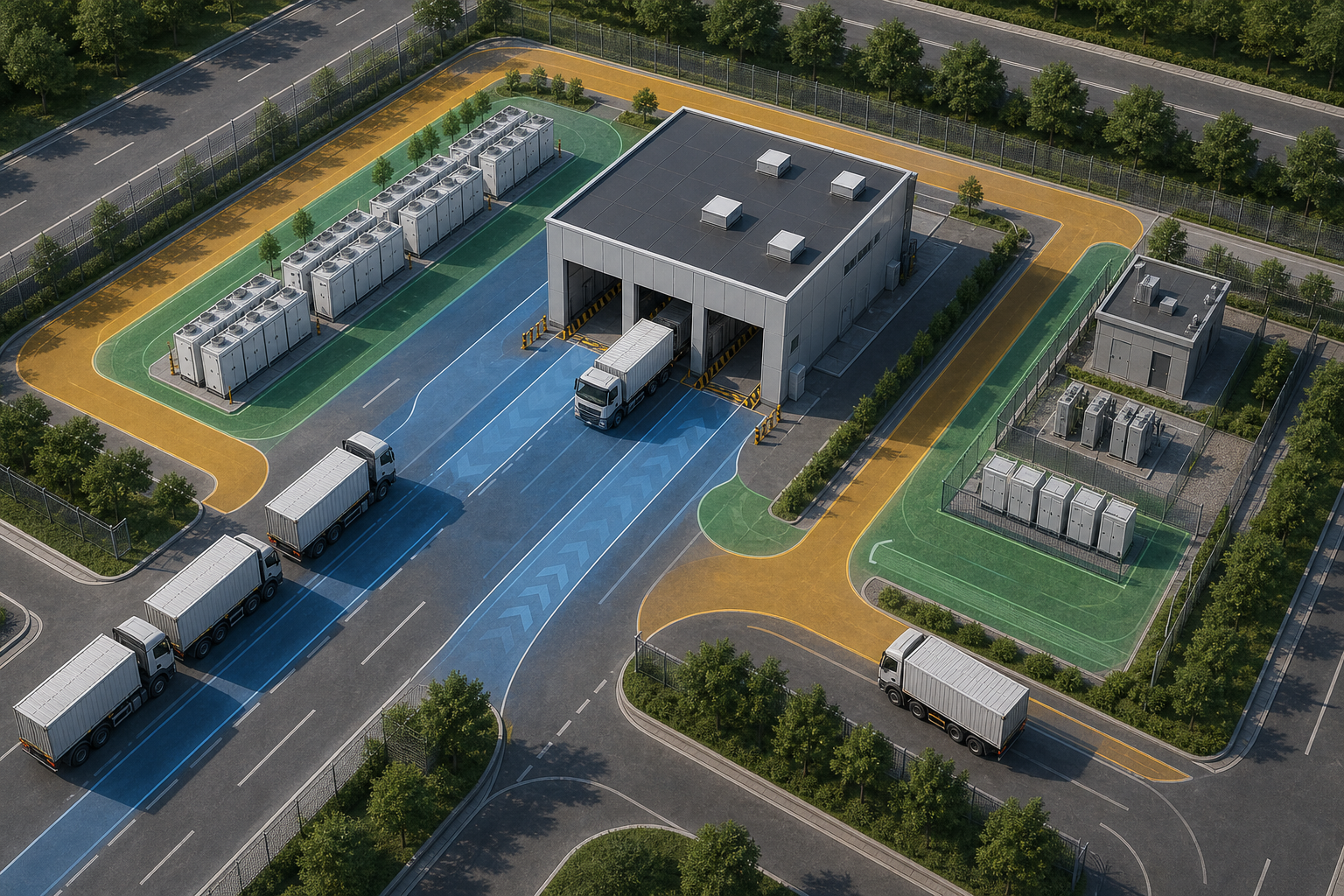
Three-stream synergetic system map

Vehicle flows (Blue)
Fleet dispatch
With appointments
→
To the station.
Identification
→
Organisation
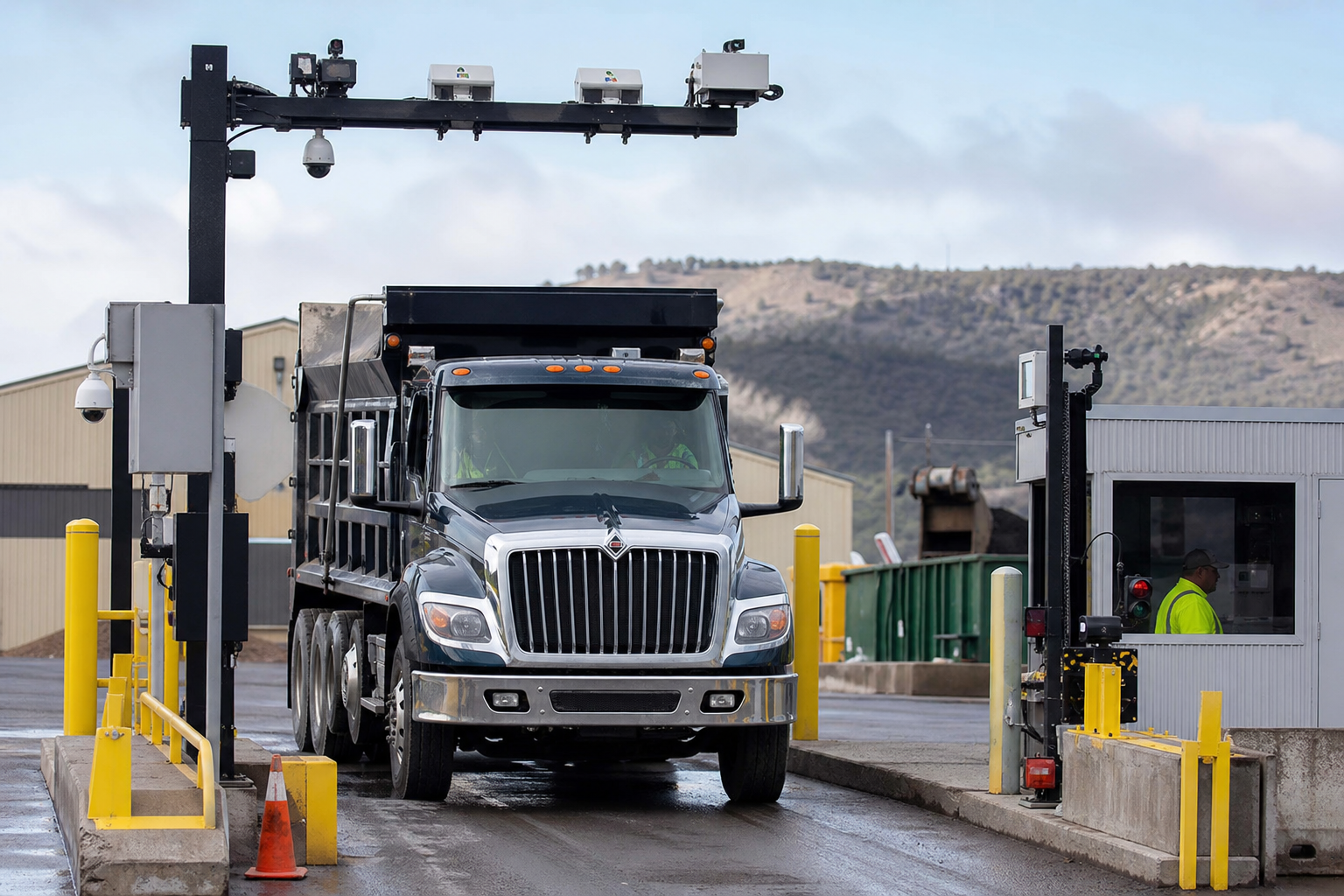
Security checks
→
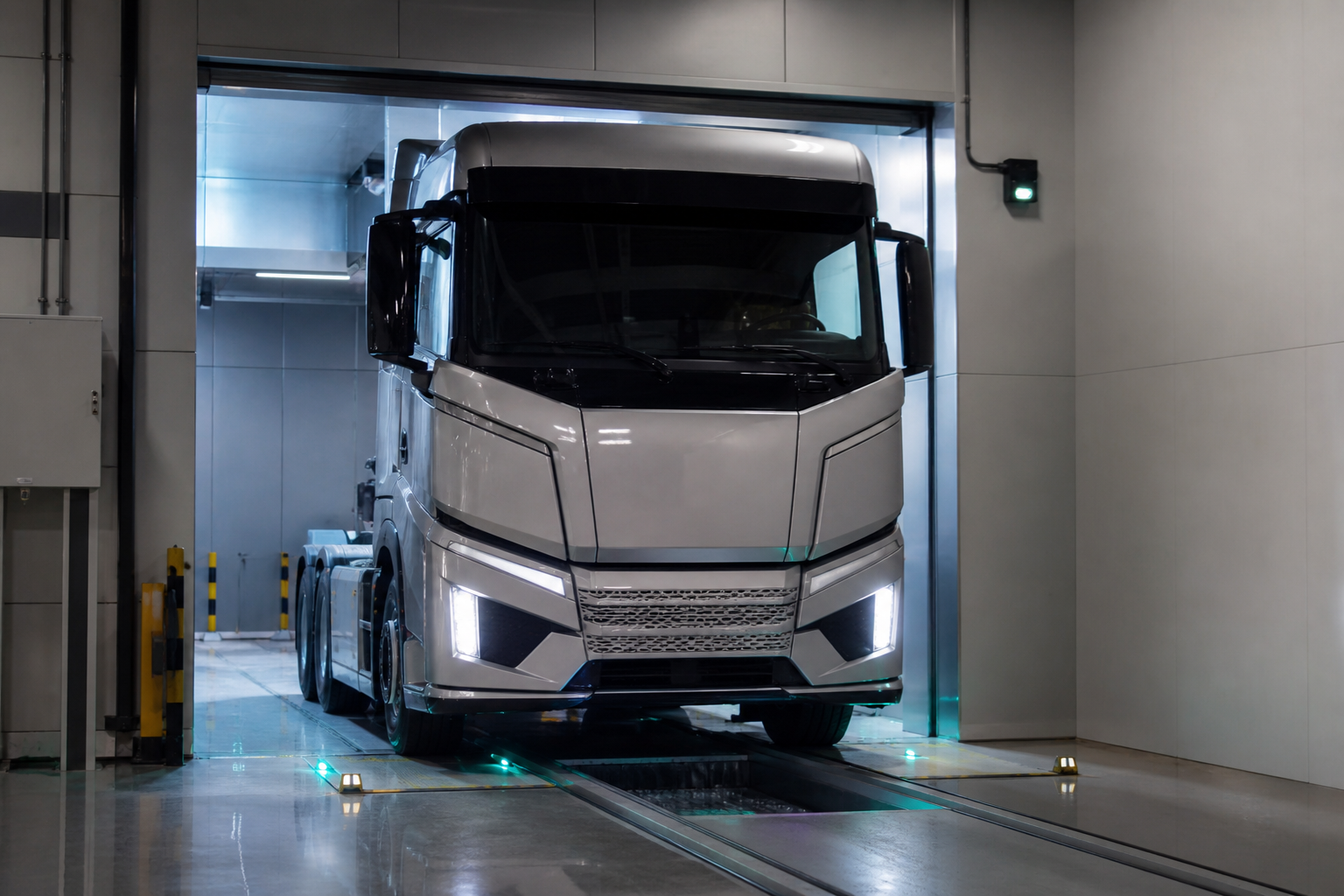
Get into the power exchange.
Positioning
→
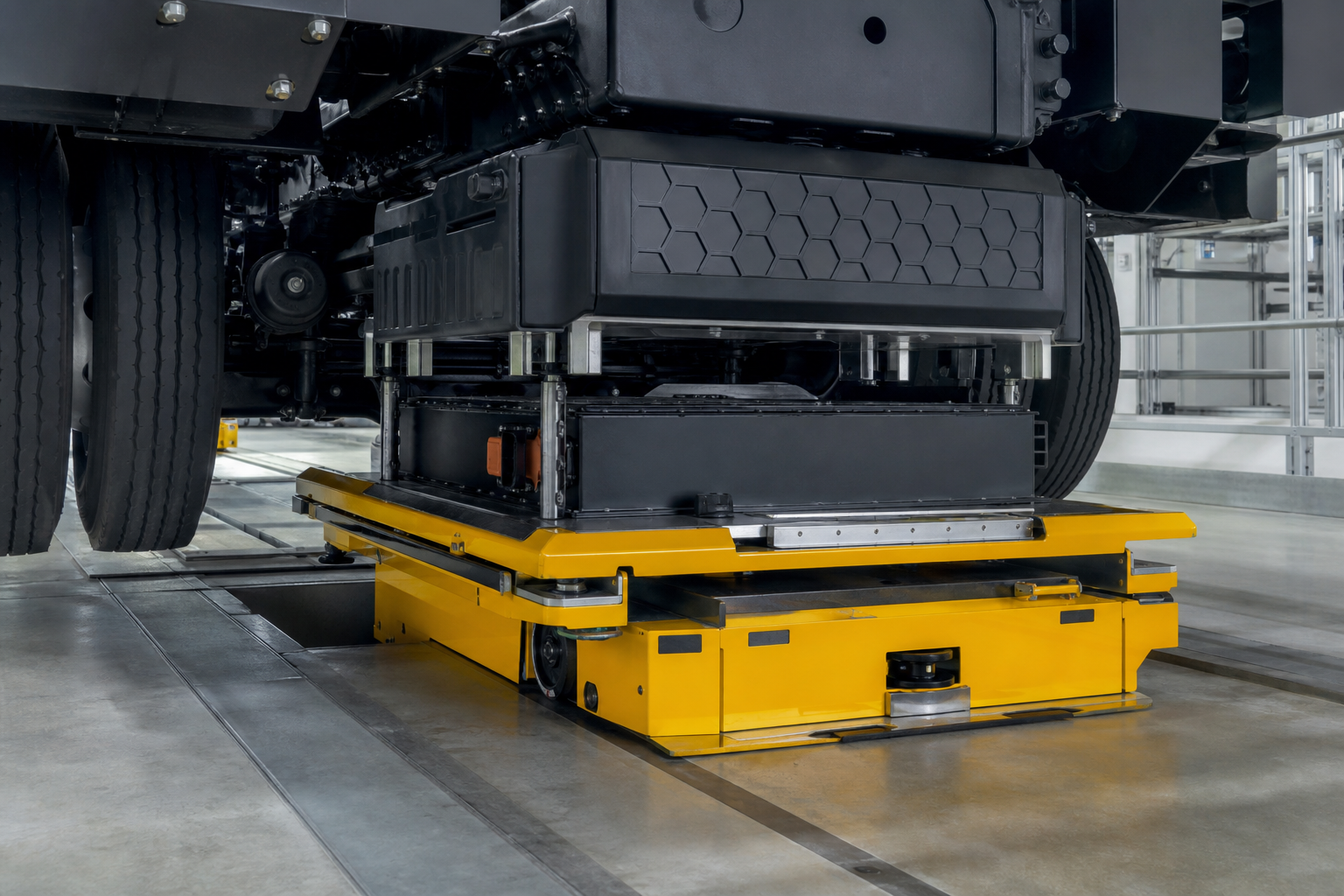
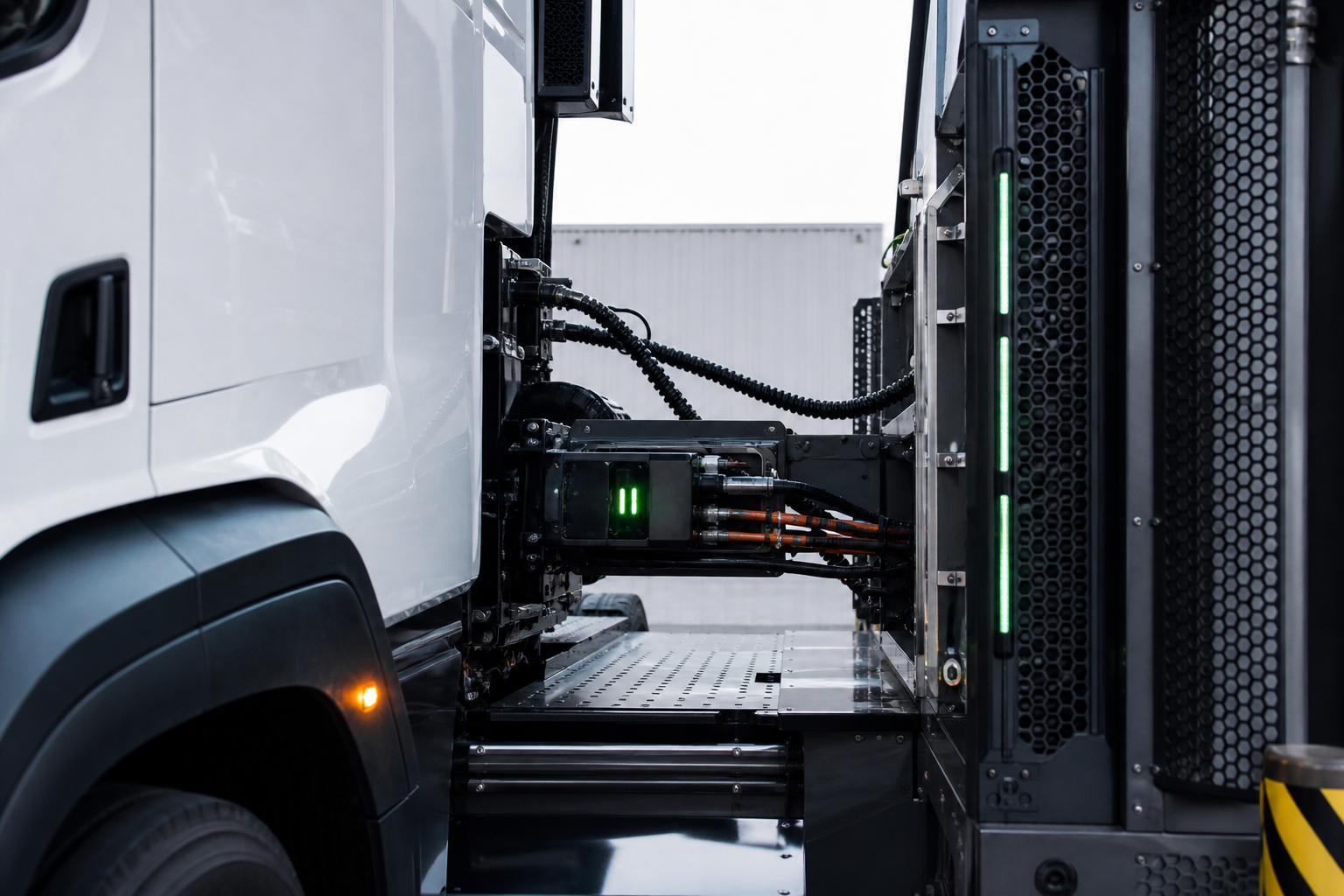
Automatic Power Exchange
Robotics.
→
Offsite Authentication
Out!
Battery current (green)
Car batteries.
→
Unmount to station
→
Health testing
→
Classified.
→
Safe charge.
→
Dispatched vehicles
Energy streams (Orange)
Grid Connection Status
→
Transforming electricity
10kV
→
AC Bus
→
Power Change
→
BESS
→
Charge storage
Field collection and control (margin)
→
Station Control
→
Network dispatch centre

One full power exchange access trip (example: heavy cards)

  1. Appointments and Stations
    The heavy card arrives at the switch station and completes the appointment confirmation.

    Book spaces and windows

    Projected arrival at station 08:32

  2. Identification and security checks
    Vehicle identification and security checks

    License plate/ motorcade ID recognition

    Security clearance cleared.

  3. Line up and locate.
    Recalculate and lead to the specified switch position

    Allocation of parking space #B12

    Induction is controlled.

  4. Auto-wire jobs
    The robots switch power for the weight card.

    The robots do the power exchange.

    New

  5. Patrol.
    Communications and insulation after power exchange

    Communications and insulation

    BMS Shake hands... cool.

  6. Off-site feedback
    We've finished the power exchange.

    Off-site authorization

    Continuation of transport tasks

Anomalous path (example: battery anomaly)

  1. !Detection anomaly
  2. □Organisation08:36:25
  3. ⊞Transport to quarantine area08:36:25
  4. ⌕Diagnostic tests08:37:10
  5. ⌁Maintenance processing08:42:50
  6. ◇Disposal completed08:50 Completed
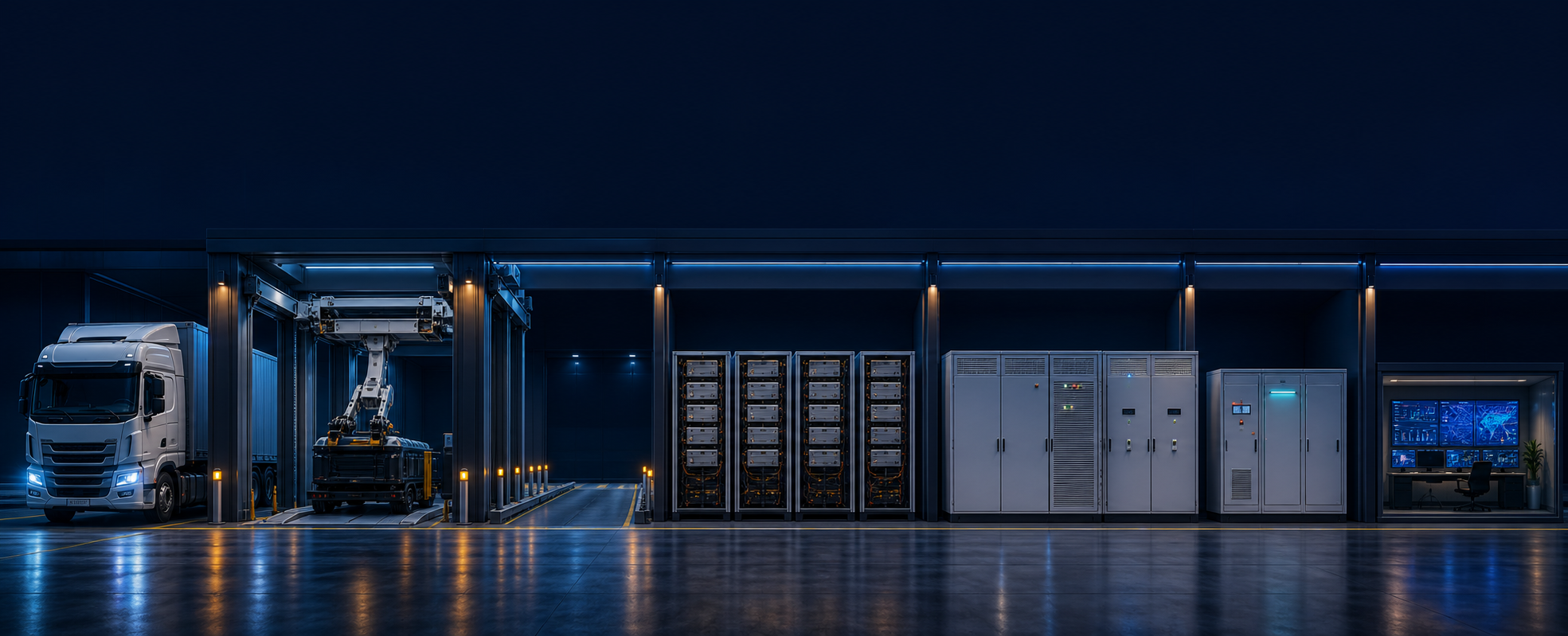
Controlled energy nodes of power exchange stations: cover seven functional areas of the vehicle identification, pre-replacement to be checked, buffers, power exchange, charge, distribution and control centre
The power exchange is not a warehouse, but a controlled energy node. Seven functional areas cover vehicle entry stations, power exchange operations, battery recharge, distribution and station control.

Battery health and power status panels Cell status and performance trends

  1. Used for loaded
  2. Scratch to Library
  3. Cool
  4. Charging
  5. Balancing
  6. Available To be sent
  7. Back at station.
  8. segregated
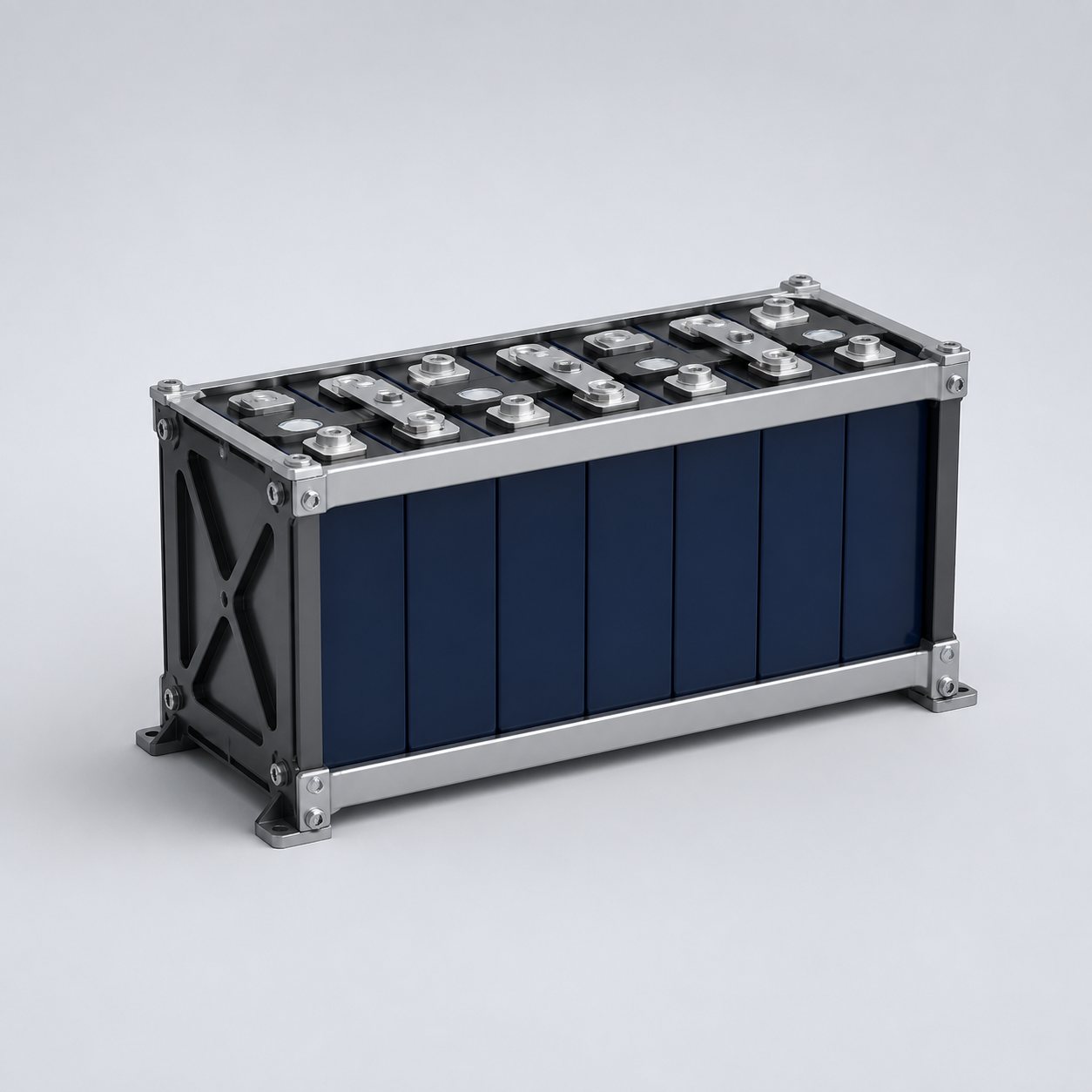
Lithium cell module diagram
Battery number BAT-24A-10876
Scale Capacity 391 kWh
SOC 61%
SOH 95.2%
Number of cycles 318
Maximum Temperature 28.6°C
Status &Normal

Charge process / temperature trend

SOC / Charge Power

Charged task scheduling: smart queues with grid capacity

  • Projected vehicle requirementsLine up and use electricity
  • +
    Battery stock availablePolicy and Batch
  • +
    Charging equipment constraintsstake/ gun
  • +
    Battery status constraintsTemperature / SOC
  • +
    Grid-connection capacityLimit / Time price
  • +
    Site Storage SupportCharge Policy

Charge Task Gantt (next 6 hours)

09:3010:3011:3012:3013:30
Pile-01.
stake-02
Pocket-03
stake-04
stake-05
stake-06
stake-07
stake-08

Site power forecast and ceiling

  • Electricity grid introduction cap 1.20 MW
  • Storage discharge limit
  • Site Power Maximum
  • Projected load power

Unusual battery closure ring management (security priority)

  1. Anomalous detectionTemperature / voltage offset / Communications anomaly
  2. Task abortedStop charging.
  3. Robot trans-shipment.Send to quarantine area
  4. Diagnostic testsDepth detection and recording
  5. Maintenance / disposalMaintenance / replacement / end of life
  6. It's closed.Confirm data. Status update.
  7. Retroactive archiveState can be traced.

Identity traceability and incident record

  1. Vehicle identityLicense plate / Fleet ID / VIN
  2. Battery IdentityBAT Number / Asset ID
  3. Power exchange recordsSite / Store / Robotic
  4. Charge RecordCharge stake / Gunshot / Session ID
  5. Test Record/ Communication / Temperature / Results
  6. Event RecordAlert / Unusual / Disposal Record
  7. BacktrackingFull link visualization / export reports

Site layout and security section

Site engineering design and layout
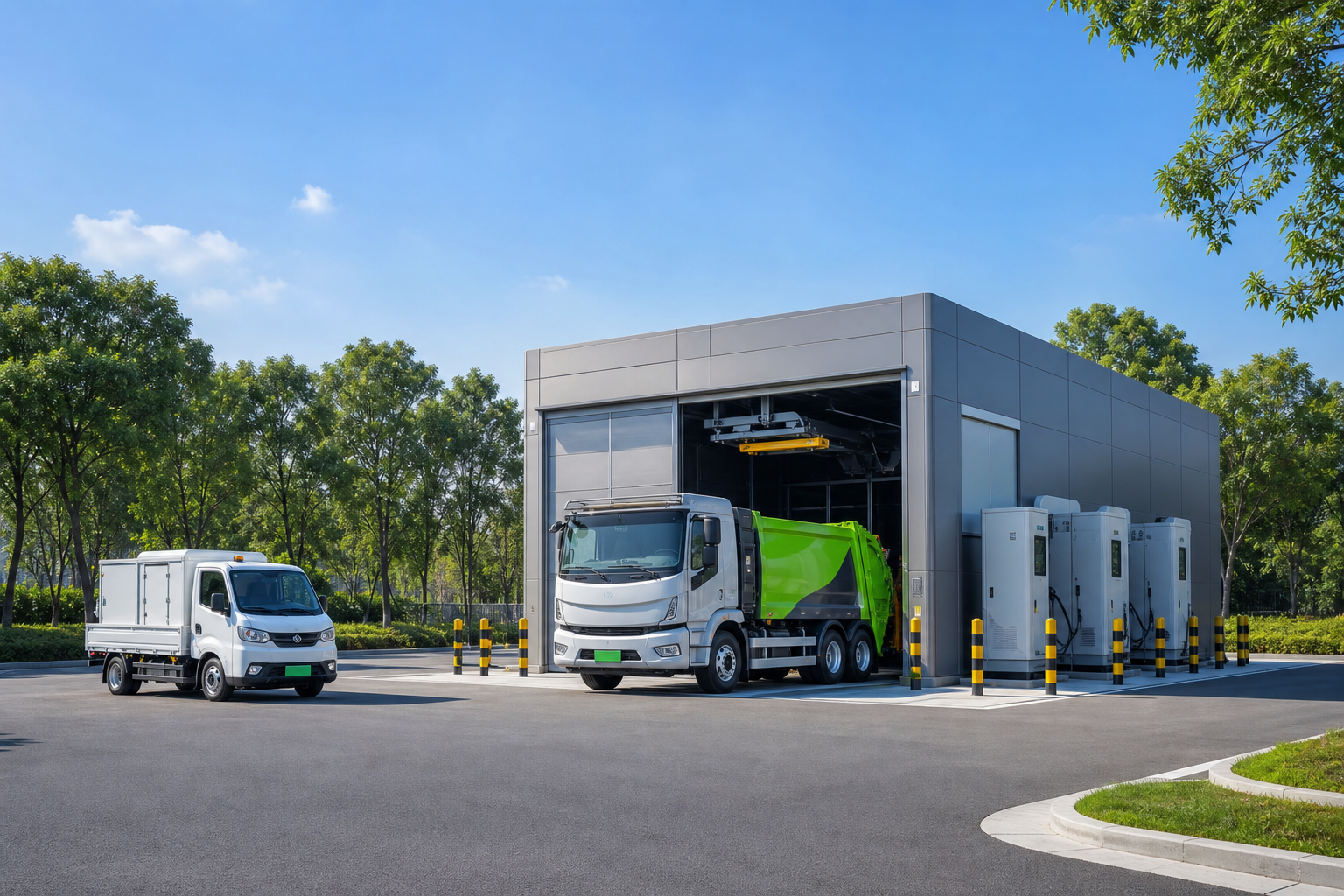
Change of power station site engineering landscape

Site plane and security space

The power exchange is looking at the layout and the security section.

List of equipment

  1. 01Battery cabinet (x4)
  2. 02PCS Transformer cabinet (x2)
  3. 03Main distribution cabinet
  4. 04Charger (1,500 kVA)
  5. 05Maintain channel (1.51.5m)
  6. 06Fire Accesss (4.4.0m)
  7. 07Cable Trench / Bridge
  8. 08Weak electricity and door restrictions

Design elements

Device Space
≥ 1.5 m
Clear width of channel
≥ 4.0 m
Acoustic boundaries
≤ 55 dB(A)
Fire partitions
Battery / PCS Partition
Ambient temperature
-20–50 ℃
Ingress protection
IP54 / Outdoor

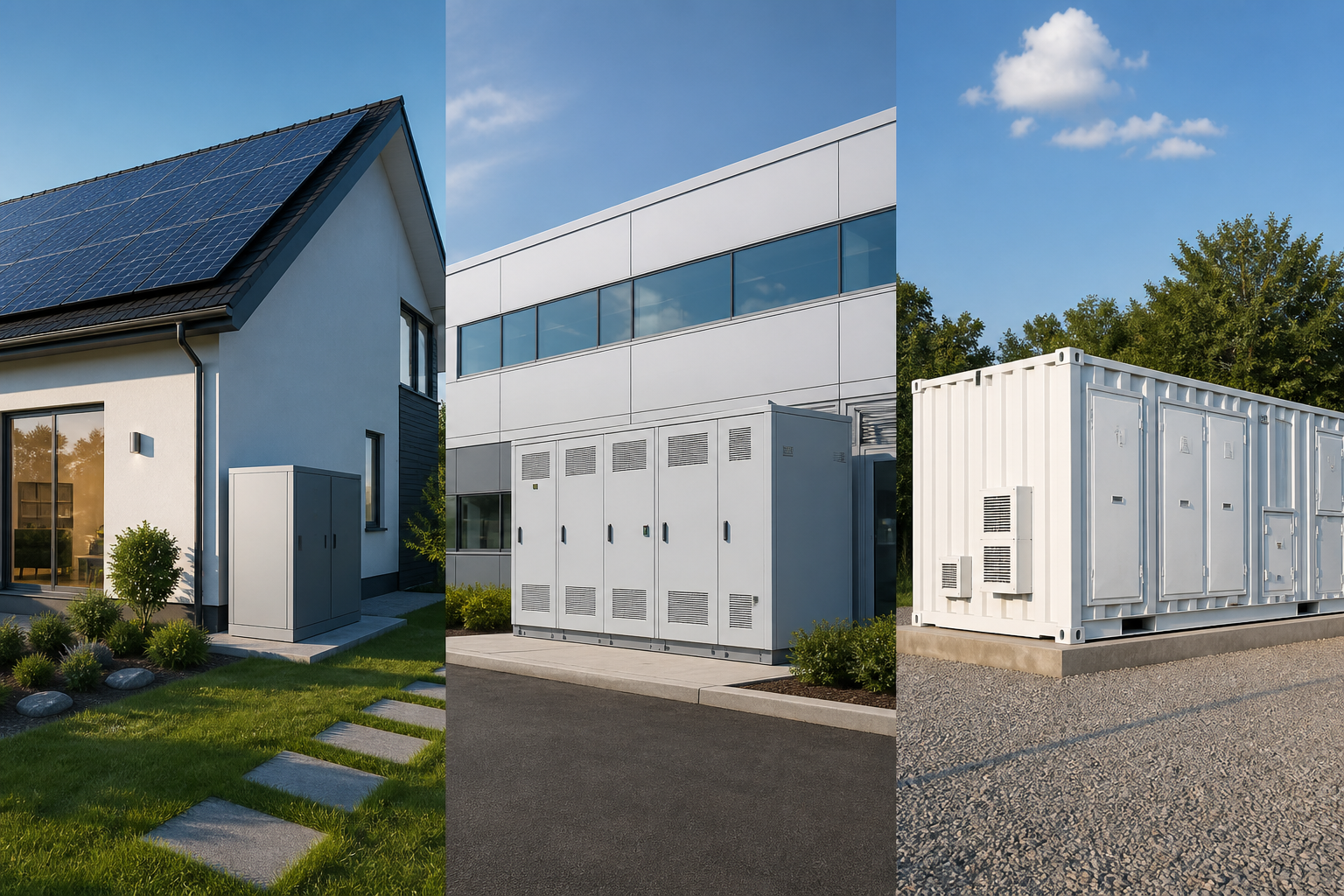
Standard switch station

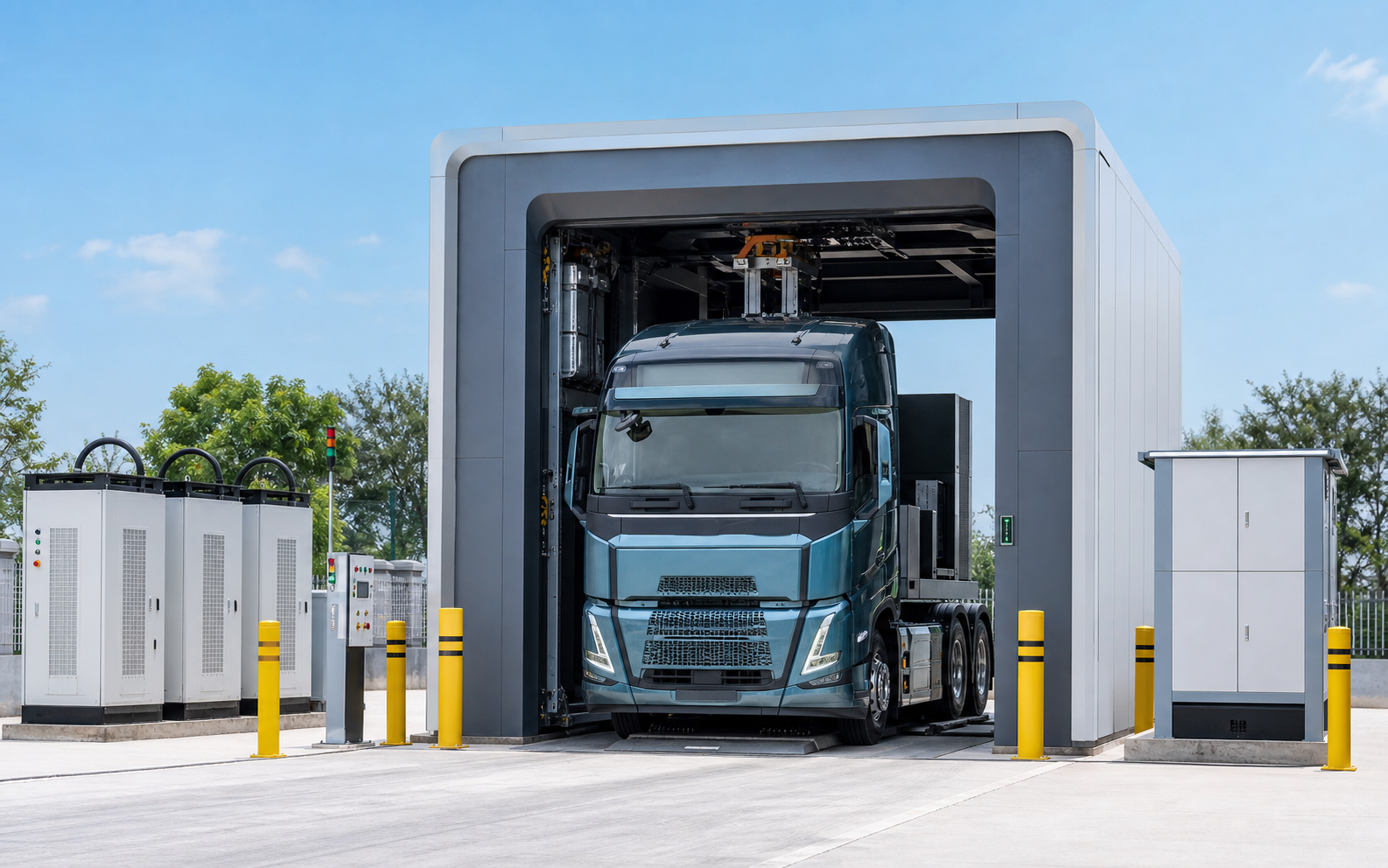
Standard switch station heavy-card automatic switch.

Single station inner ring/ standard measurement
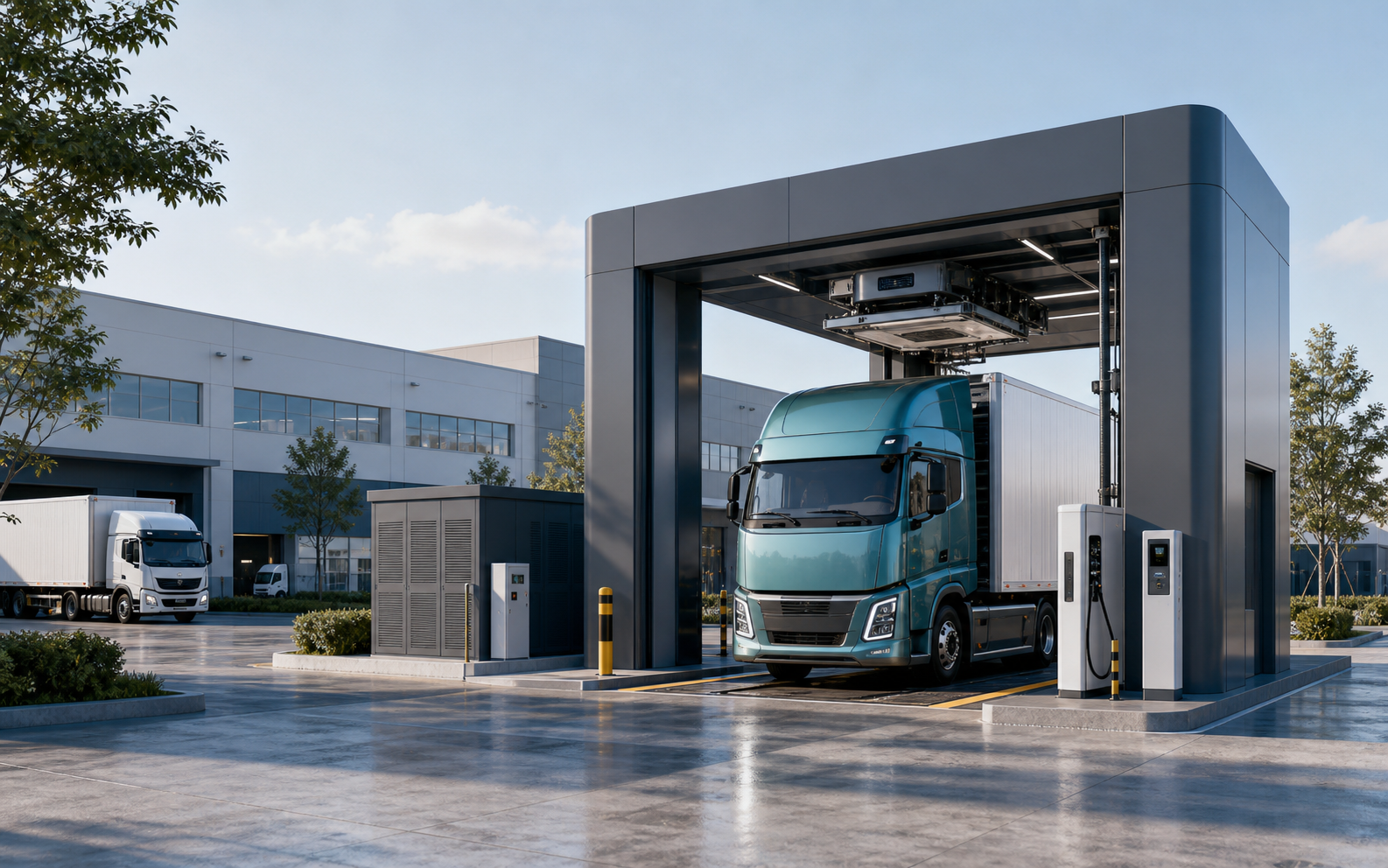
Shared commercial courtrooms

Sharing a commercial court exchange.

Public distribution / submeasurement / shared facilities
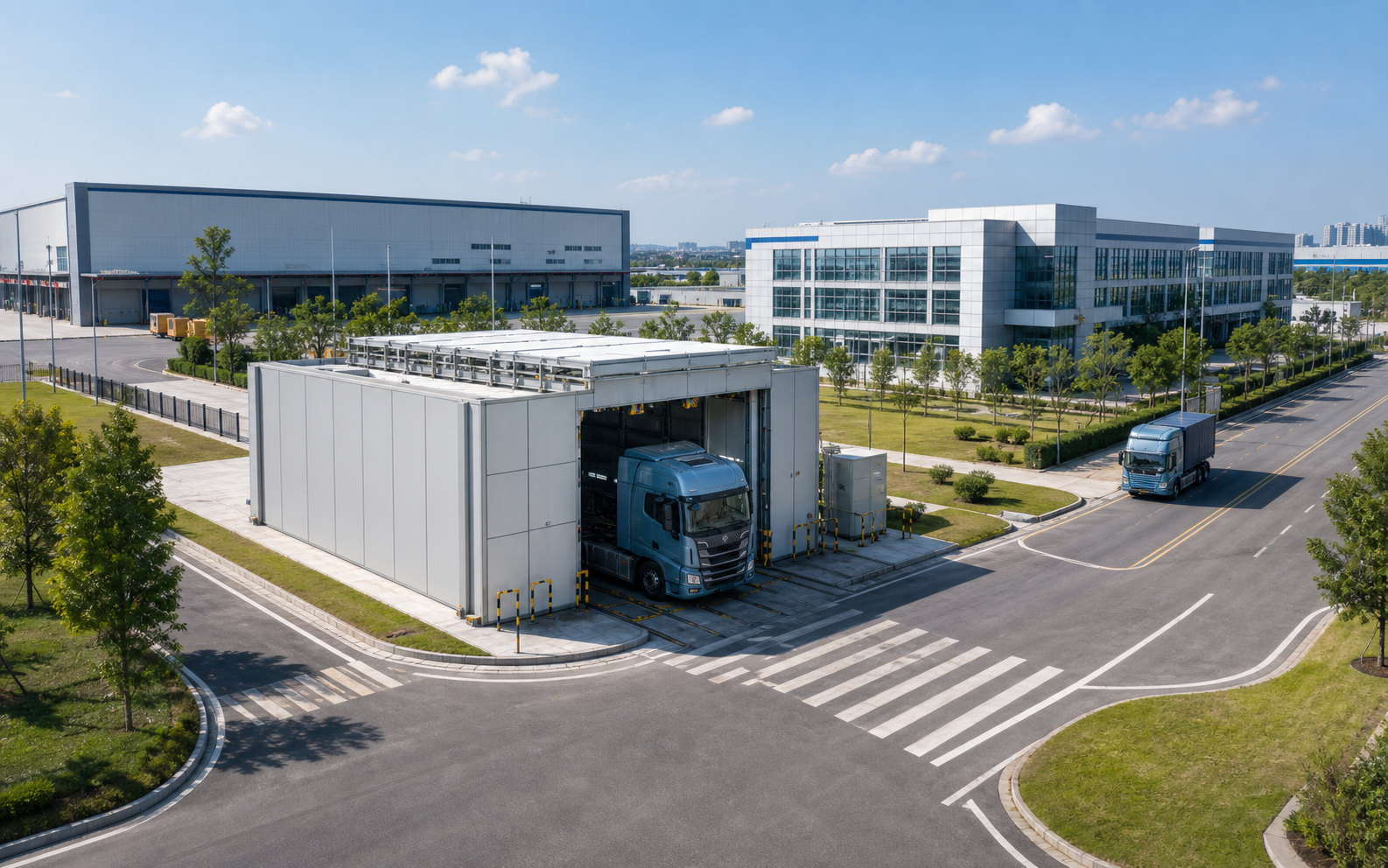
Multi-construction campus

Multi-building campus for power exchange.

Multiple / Partition Measurement / Partition Control
Measuring boundaries

  • Revenue Meter
  • Feeder Meter
  • PCS side (AC Meter)
  • Battery DC side (DC meter)

Typical application scenario

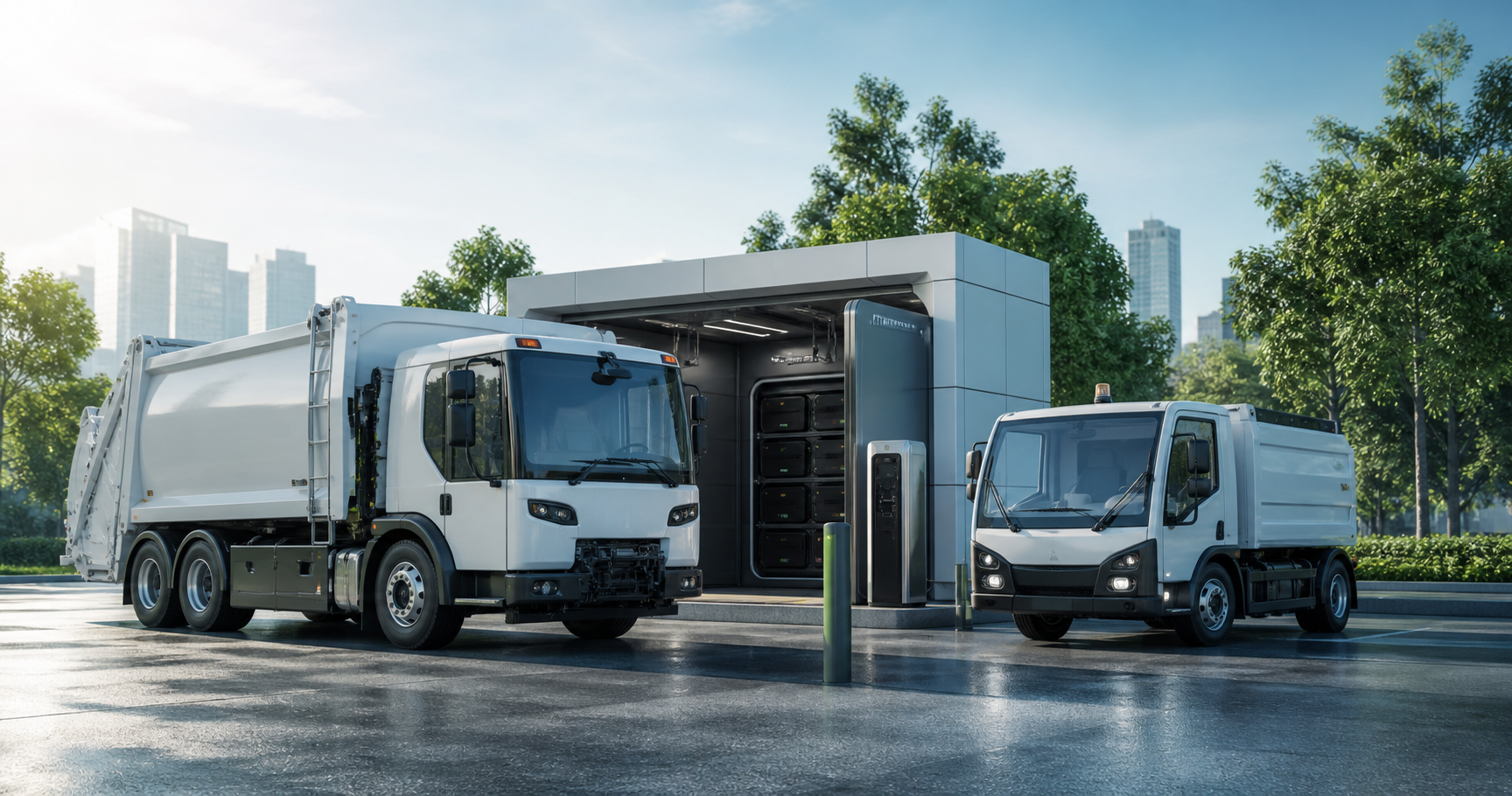
Urban sanitation and power fleets are recharging power plants
Urban sanitation and municipal convoys HF attendance Quick Supplement
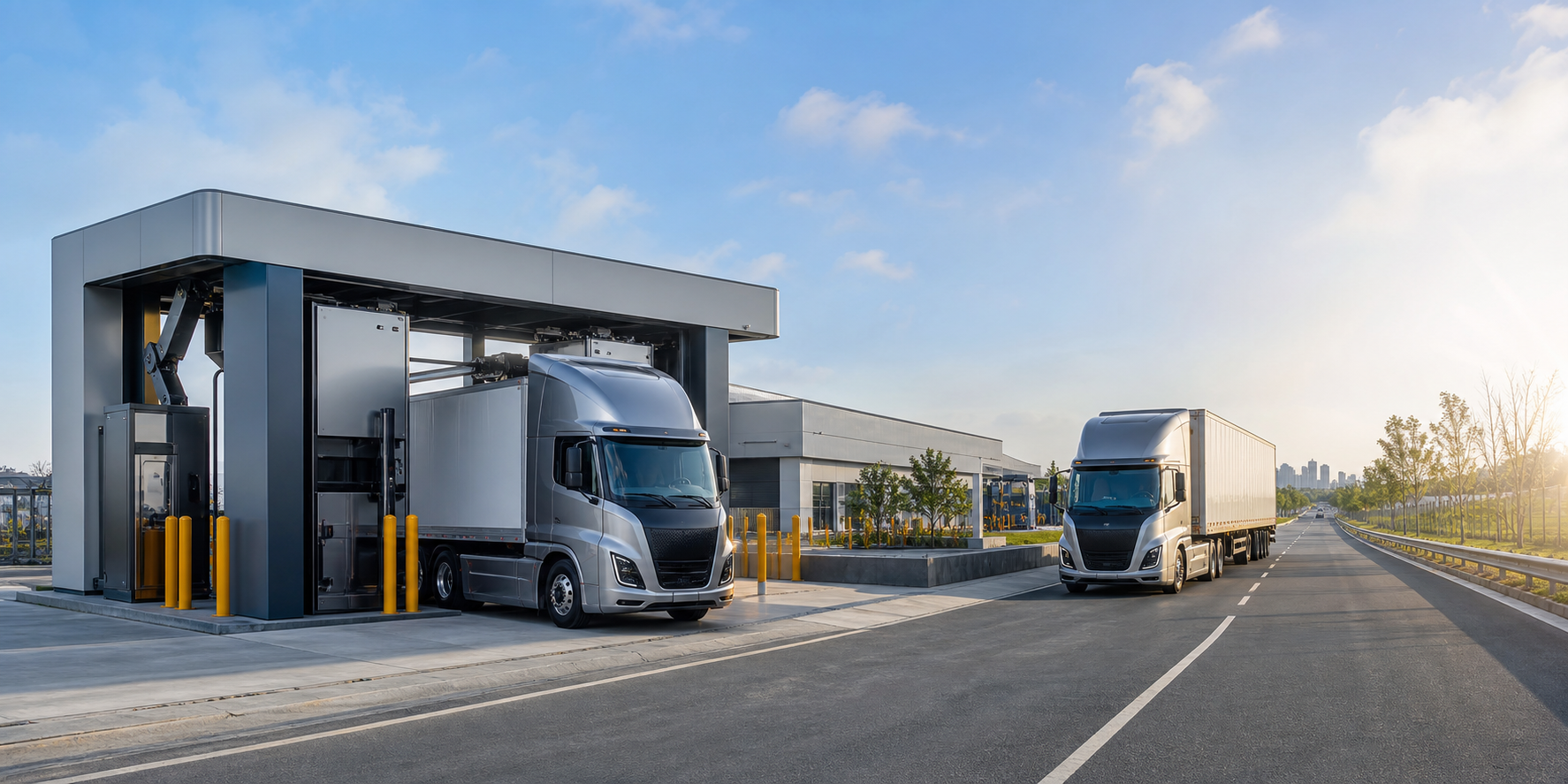
The main line logistics is stuck at the power exchange station.
Main line logistics and weight cards High utilization rate.
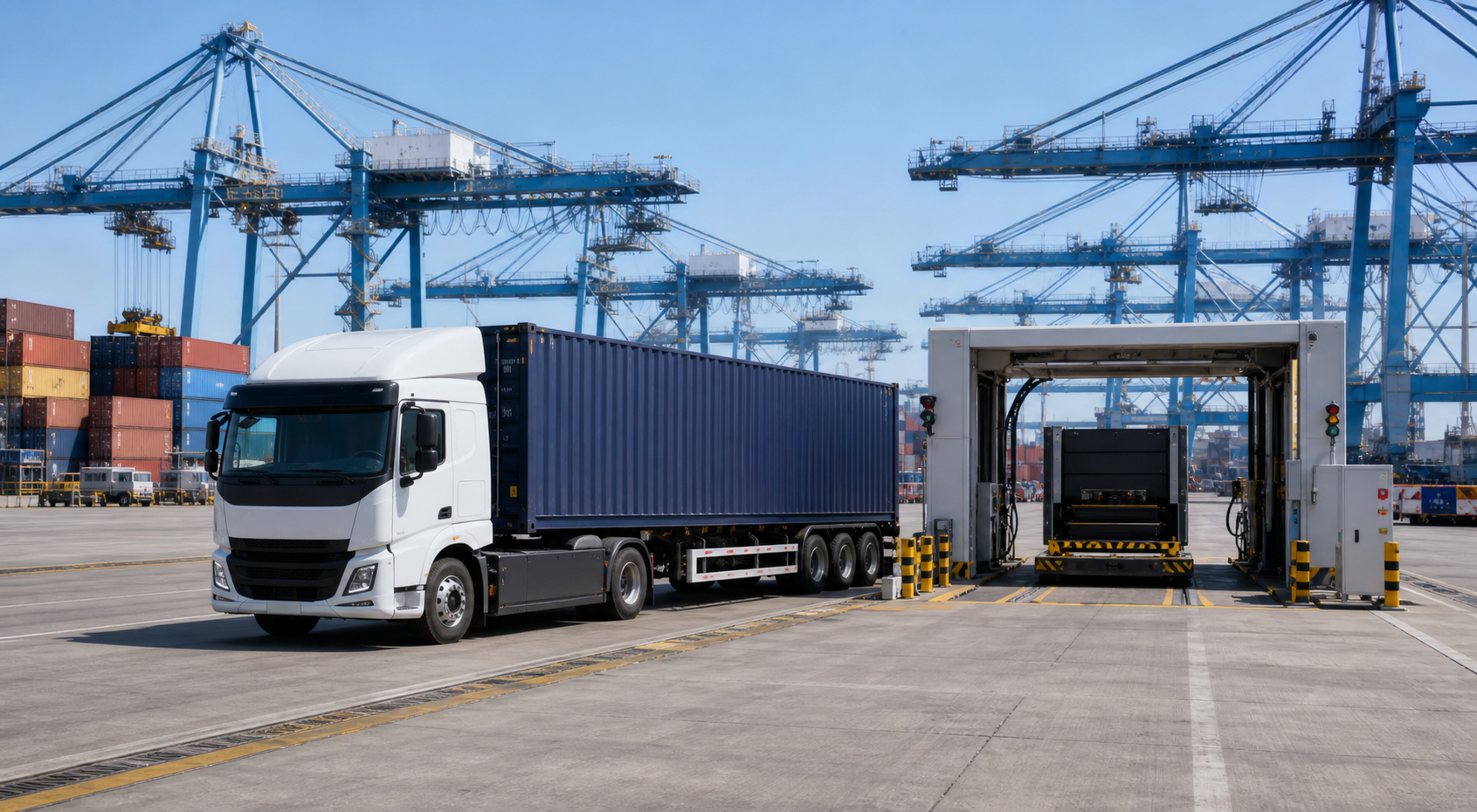
Port container transport vehicles operating at power exchange stations
Port / Terminal transport High-intensity operations Centralized movements
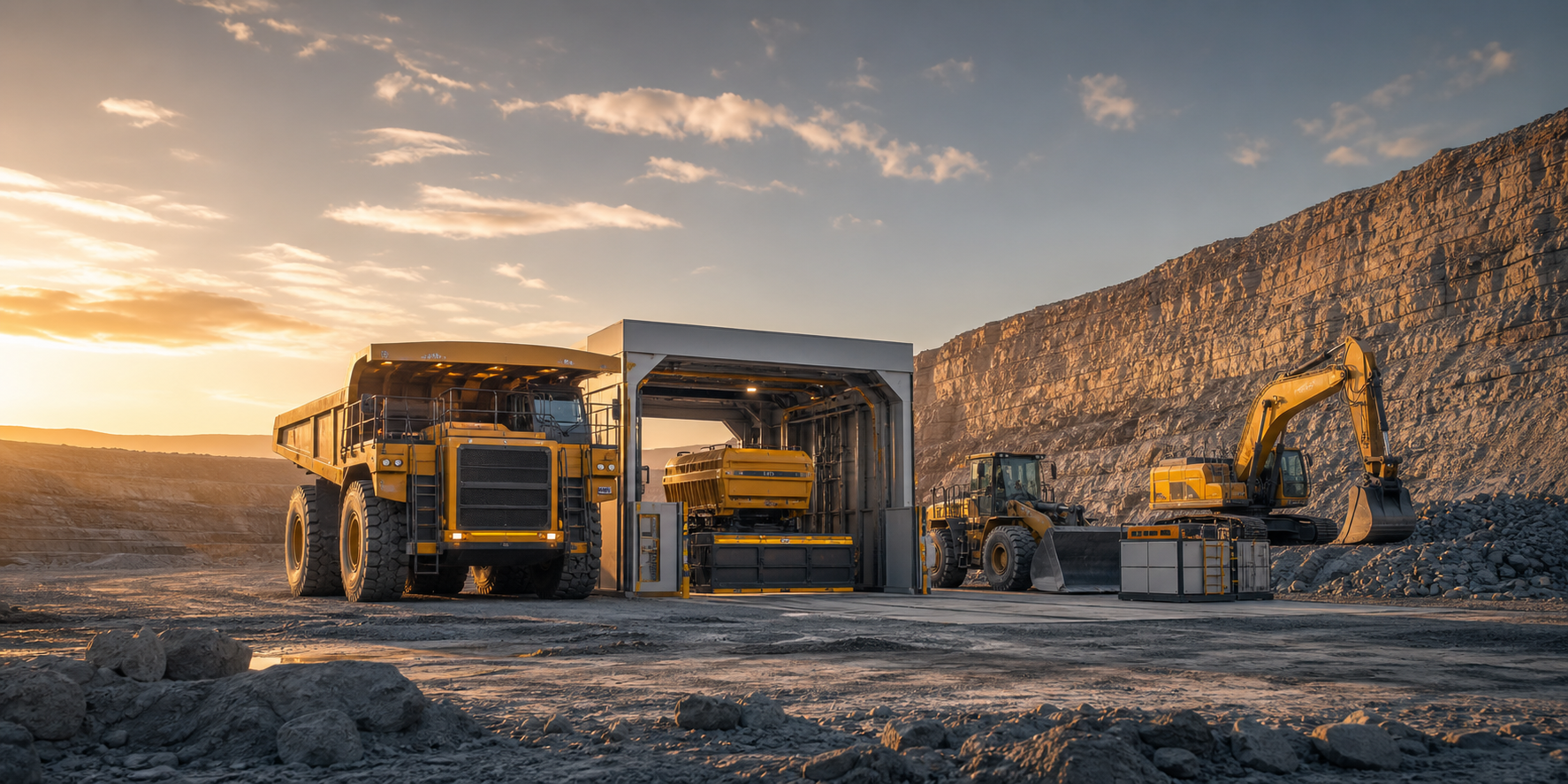
Mine engineering vehicles are refuelling at power stations.
Mines / Engineering scene • Networking supplement

Dependence on validation and testing: programme rapid validation, more reliable delivery

Authentication Entry Target Test Method Status Record number
Vehicle identification Appointments match RFID / license plate Pass. S35A-405-001
Robot positioning. Automatically dock. Positioning Test Pass. RBT-2405-002
Battery health testing Check for anomaly monomer BMS / SOC Pass. CBM-2405-003
Charge Power Control Obedience to maximum power. Peak Limit Pass. CHG-2405-004
Abnormally isolated. It's not working. Fault Simulation Pass. ABN-2405-005

Extension indicator and core KPI

Utilization of power exchange stations Vehicle turnover efficiency
Peak load reduction Stations can work together.
Battery turnover efficiency Inventory optimization
99.6%Success rate
Power replacement success rate Full process monitoring
Network availability Multi-site autonomy coordination
Security incidents closed. Detect · isolate · trace

NEXT STEP

Combine boundary and delivery path around Battery Swapping Network

Programme configuration and implementation tempo can be further confirmed on the basis of on-site loads, netting conditions, installed space and transportation requirements.