
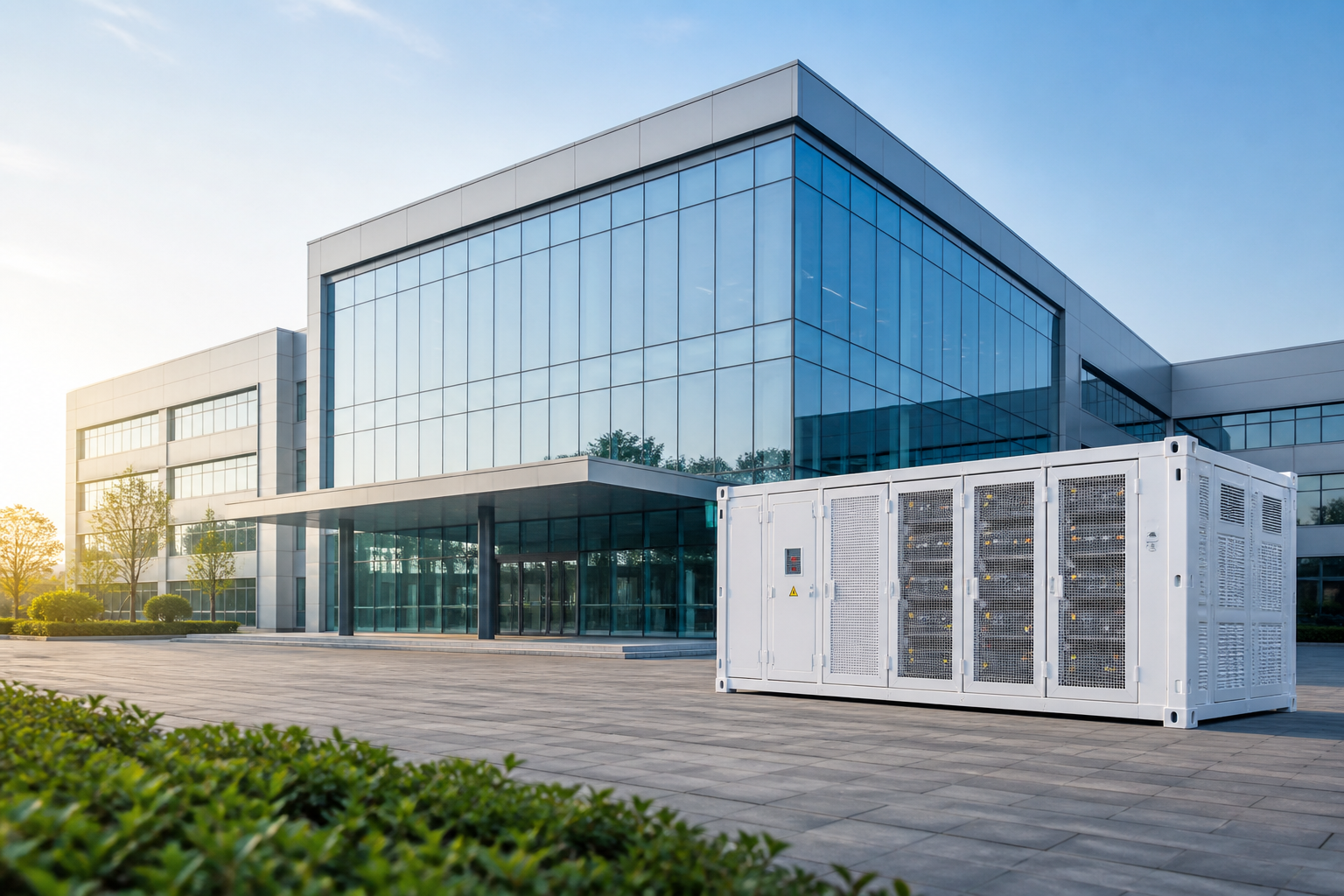
It's for heavy cards.
Commercial vehicle replacement process
TIANCHU switch hub
Zero-one.
TC-DEMO-PROJ-SWAP-01 | PILOT OPERATION
Let commercial vehicles, power cells and
The charging mission is in an orderly flow at the power exchange hub.
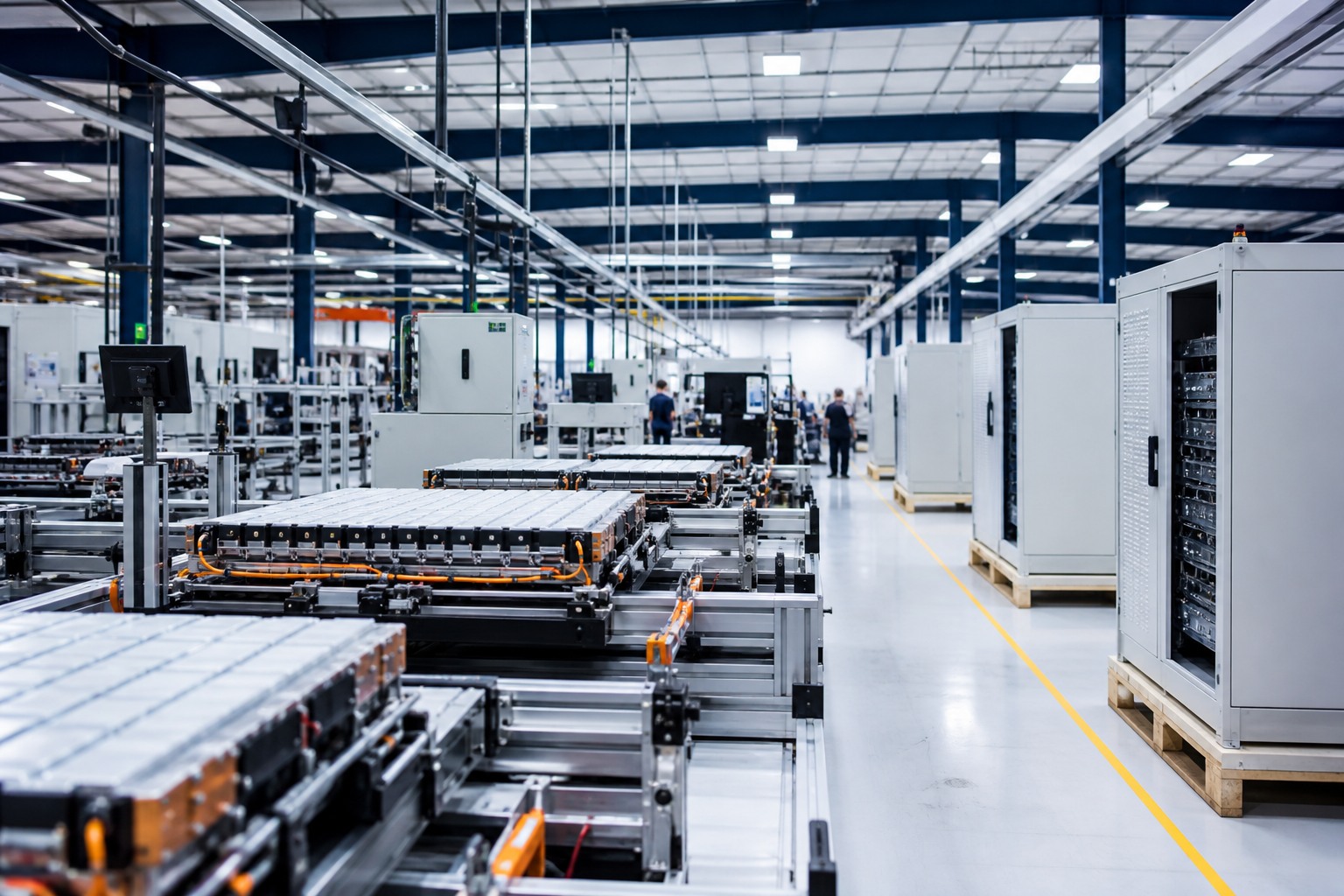
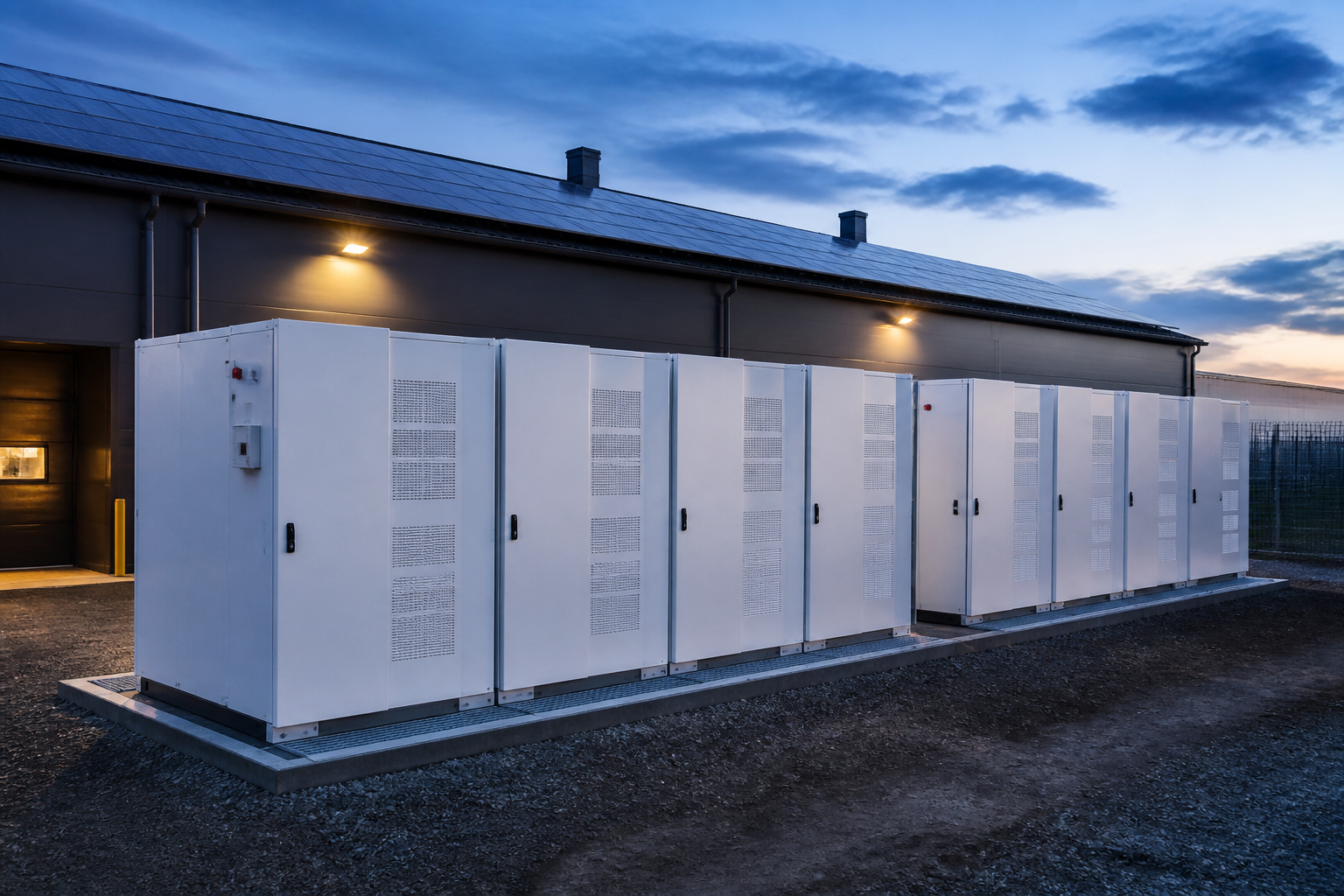
For heavy-duty commercial vehicles and large-capacity powered batteries, vehicle entry, automatic switch-over, battery detection, cooling, recharge, isolation, inventory management and grid power are coordinated into the same station-level operating system.
Large-capacity battery systems
282 – 564 kWh class batteries Package
Automation of power exchange
The whole process is locked and positioned.
The grid is friendly.
Peak shaving and capacity coordination
Multi-level security
Batteries, fire protection, protection of vehicles
01 Hub Overview: Three Trend Synchronization
Vehicle flows
The vehicle ' s path from entry to departure
Battery Stream
Batteries are unloaded, detected, re-entered.
Energy flows
Power synergy for grid / BESS / charge job
Vehicle flows:
The vehicle completes entry, security check, automatic power exchange and ion station confirmation in sequence.
Design day replacement capacity
200 days
Battery stock capacity
40 MWh
Charge Power Design
12 MW
Land area
≈ 28,000 ㎡
02 Battery package status and stock classification
Ready
SOC ≥ 95%Directly allocated
Charging
20% < SOC < 95%Completion of replenishment as planned
Colding.
Temperature recoveryHigh-temperature lower shelf battery cooling
Isolation observation
The anomaly is pending confirmation.Segregation monitoring and evaluation
Maintenance
Repair/maintenance requiredNot for power exchange.
Ready:
SOC meets the power exchange threshold and passes through security, insulation, temperature, communications, etc., which can be distributed directly to vehicles.
03 Power switching process: safe and efficient standardized operations
1
Vehicle identification
Vehicle / Driver / Order Identification
2
Security testing
Vehicle posture, electrical and security conditions confirmed
3
Automatic Power Exchange
Mechanical positioning, unlocking, dismantling and locking
4
Battery confirmed.
Verification of new battery state, communication and locking
5
Release from station
Mission complete confirmation and vehicle departure
Average length of power exchange
4.5 min
Exchange success rate
≥ 95%
One power exchange.
282–564 kWh
Power exchange daily
200 days
04 Intelligence and control
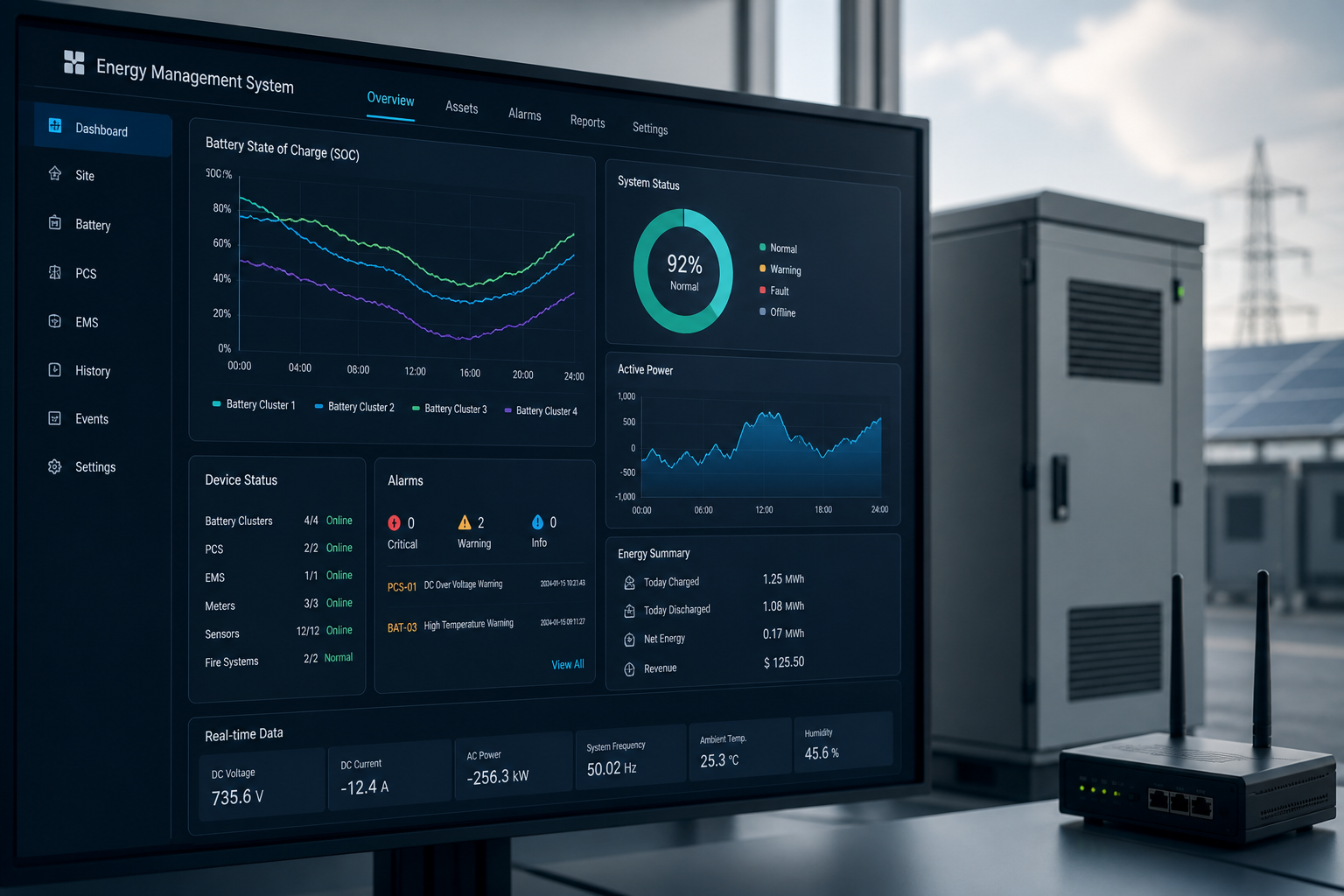
Power-replacement missions, battery stocks, station charging, BESS, grid capacity and co-ordinated with security partitions.
4.1 Recharge tasking schedule under power replacement
With grid capacity and demand for power exchange, plan charging missions, and take advantage of the flat peak power of BESS in the station.
Network access restrictions
10 MW
BESS Capability
5 MW / 20 MWh
Minimum SOC reserve
35%
Mission satisfaction rate
≥ 95%
4.2 Abnormal battery treatment and fire-fighting partitions
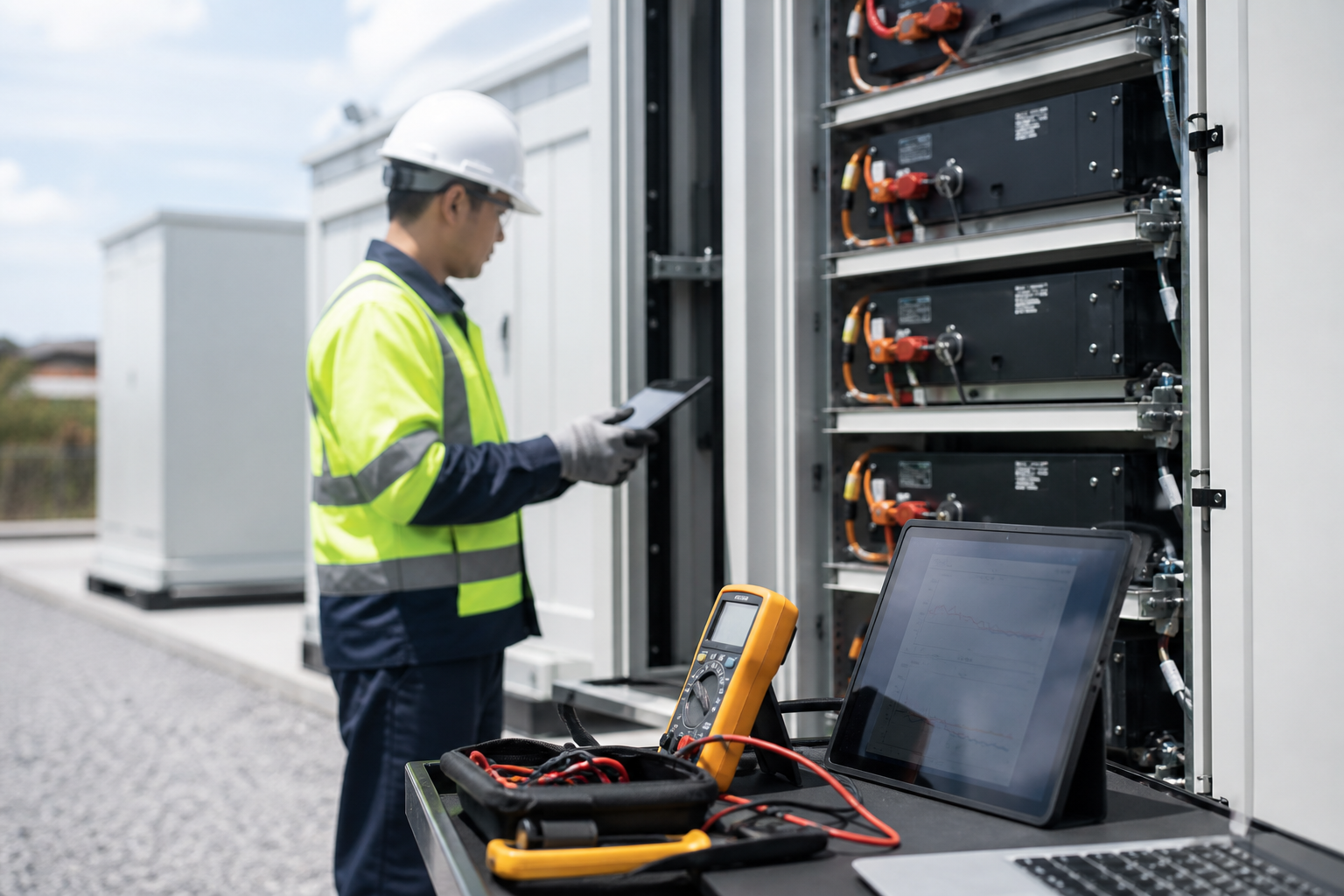
Anomalous batteries are automatically identified and entered into a safe isolation process, physically and logically separated from Ready's inventory and normal recharge zone.
01
Anomalous detection
Temperature / voltage / Insulation anomaly
02
Autodown
No access to normal power exchange.
03
Isolation observation
Access to independent security areas
04
Decision-making on disposal
Maintenance / decommissioning / rehabilitation
Area A
Normal power exchange.
Normal power exchange.
Area B
Charge Area
Charge Area
Area C
Isolation observation
Isolation observation
Area D
Fire/ Maintenance
Fire/ Maintenance
4.3 Site Autonomy + Centralized Monitoring
Power exchange and security control at the end of the station are autonomous, and the central platform is responsible for cross-site data, strategy and peacekeeping operations analysis.
Station Control Systems (local)
Centre operating platform (cloud)
Access site
8 seats
Data integrity
99.5%
Availability of services
≥ 98%
05 Results of the pilot operation DEMO Data
Task accomplished
2,356 times
Average power exchange hours
4.5 min
Grid peak-shaving capability
9.6 MW
BESS Support Power
18.7 MWh
Battery turnover rate
91.3%
Power replacement success rate
95.8%
Time distribution for power switching
Daily load curve
Battery stock distribution
Total
312
Package
Event timeline
08:12
Vehicle 1 to station identification
08:15
Security check passed.
08:17
Start the switch.
08:21
Power exchange complete.
08:22
Release of vehicles
06 Delivery and security of operations
6.1 Hub construction and commissioning
- Engineering design and construction management
- Installation and coordination of equipment
- I'm gonna change the machine.
- System connection and performance validation
6.2 Operators Trading
- Operation and maintenance of equipment
- Security Operations and Emergency Response
- System usage and dispatching
- Operational protocols and job authorizations
6.3 Emergency drill
- Battery thermal-runaway emergency drill
- Fire Communal Exercise
- Power outages and failure exercises
- Vehicle accident scene exercise
6.4 List of deliverables
- List of completed maps and configurations
- Operations Manual and SOP
- List of spare parts and tools
- System validation and testing reports
SAFE
Safety first.
Multiple interlocks and zone isolation
OPS
Efficient operation
Smart dispatch and automated power switching
HA
Available security
Battery Management Battery Management
MOD
Module Extension
Rapid expansion of stations, equipment and capabilities