

Predicated maintenance of the Predicate Maintenance
Before a failure occurs,
Find the emerging risk.
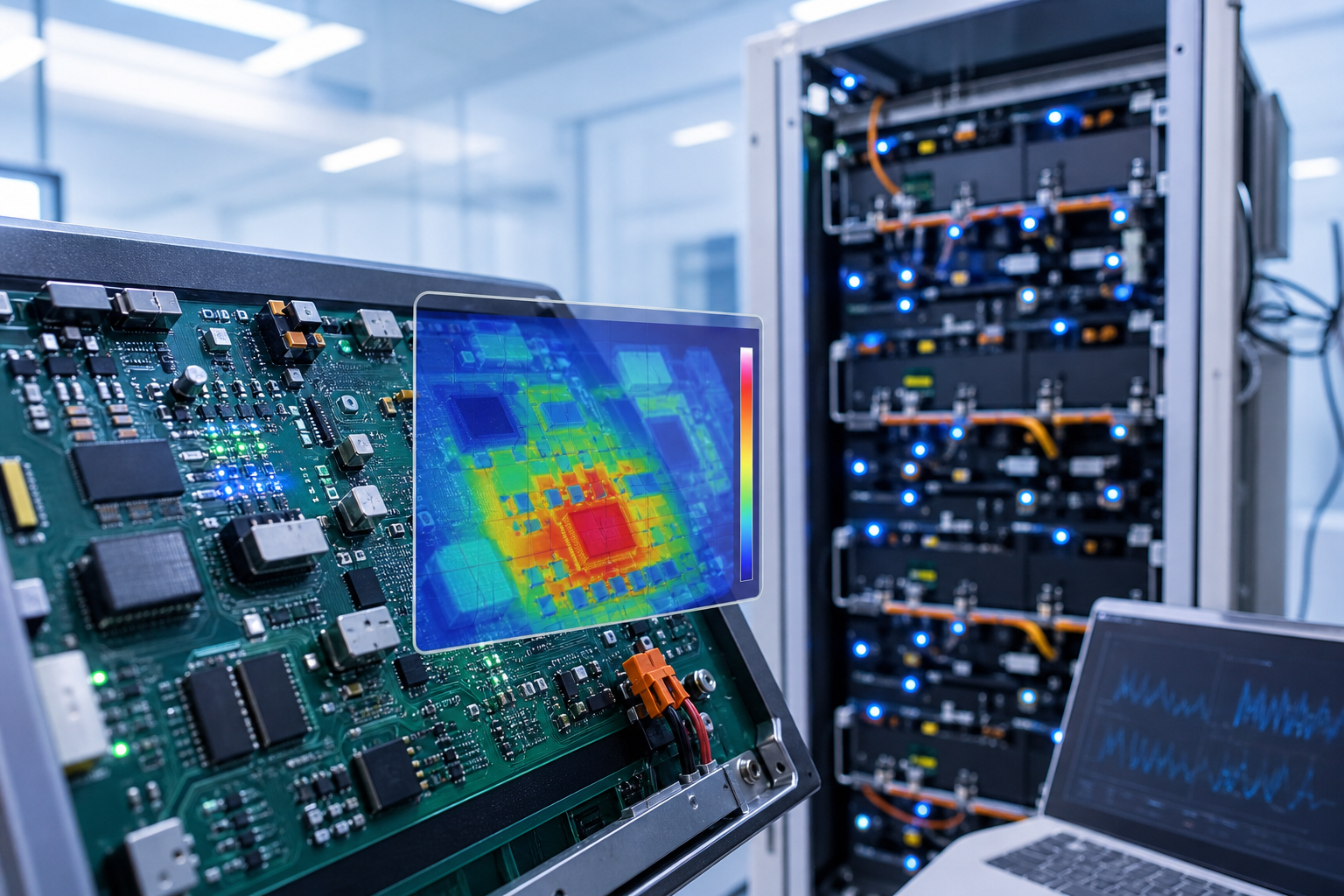
Combining equipment health ratings, operating trends, group comparisons and failure mechanisms, identifying persistent deviations before the equipment is actually shut down, and further translating “when problems may arise” into interpretable, programmable, verifiable maintenance actions.
Predictive maintenance is not an early declaration that “equipment has failed”, but rather the establishment of engineering evidence and the organization of the most appropriate intervention window at the risk-generation stage.
Application scene:
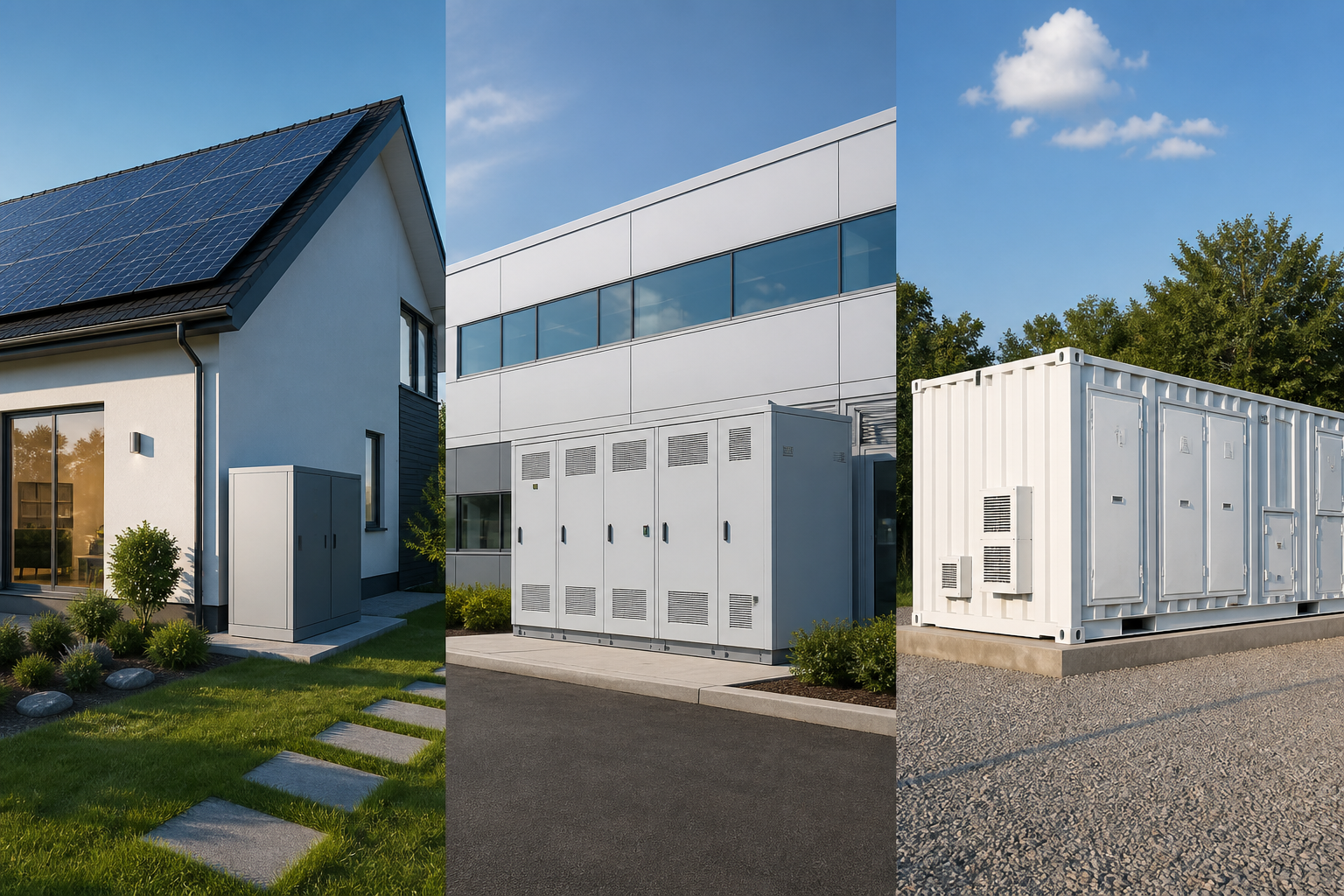
Energy Storage Systems
Health rating
86
/ 100... Good.
Unusual duration
6.2 Days
Continuous deviation
Risk Time Window
12-25 days
Recommended interventions
Confidence
72%
Medium
Suggested maintenance window
6/10–6/18
Workday priority
01 Health metrics overview Mapped to critical equipment
1
2
3
4
5
| System | Indicators | Current value [p] | Trends | Health rating | Status |
|---|---|---|---|---|---|
| Battery systems | Voltage dispersion (mV) | 12.4 | 91 | Good. | |
| Liquid Cooling System | Pump efficiency (%) | 67.2 | 72 | Evolving | |
| PCS | RPM | 2,380 | 88 | Good. | |
| DC connection | Points of electrical resistance (m) | 0.48 | 78 | Attention | |
| Sensors | Temperature zero point drift (°C) | 0.3 | 95 | Good. | |
| Communication links | Drop rate (%) | 0.12 | 96 | Good. |
Battery consistency:
The system-wide coherence of the core has remained stable and there has been no trend of continued dispersion.
02 Baseline model and anomaly assessment PUMP-02 Example
Baseline window
Ambient temperature
18–28°C
Pump target traffic
42–48 L/min
Run load
45–70%
Sample Range
Almost 14 days.
Current anomaly
Efficiency deviation
-8.4%
The bearings are rising.
+4.1°C
Vibration RMS
+27%
Flow capacity
Continued decline
03 · Degradation trajectory and operating context PUMP-02 Continuous evolution
Look beyond a single threshold—watch whether trend, anomaly score, confidence interval, and operating context evolve together over time.
Trends are beginning to emerge.
5/10 Light deviation
Continuous deviation
5/16. Exclusion of transients
Fragmentation
5/24 Temperature synchronous changes
Risk threshold
6/05 Access to areas of concern
Suggested intervention window
6/10–6/18
04 Similar events and cohort comparison
Compare like equipment under similar configuration and operating conditions
| Equipment | Role | Similarity | Variance from this equipment | Judgement |
|---|---|---|---|---|
| Cab-07 | Liquid A | 0.86 | Low ambient temperature 1.2°C | Lightness |
| Cab-12 | Liquid B | 0.83 | Load rate 5% high | &Normal |
| Cab-03 | Liquid cooling C | 0.79 | Differences in operating mode | &Normal |
Explanation:
The PUMP-02 deviation is not fully explained by ambient temperature or load differences, and most of the equipment with the configuration remains at baseline level, thus increasing the likelihood of internal mechanical/liquid degradation.
05 Remaining useful life / risk time window
Maintenance time window forecast under current trends
12–25
Jesus.
(72% confidence)
1
The forecast window comes from historical cohort degradation samples and current-trend extrapolation.
2
It is not the definitive conclusion that “equipment will inevitably fail on the 25th day”.
3
It is recommended that on-site inspections and maintenance be organized in the first half of the risk zone.
Recommended maintenance time
6/10–6/18
Risk level
Medium
06 Risk priority matrix Integrated assessment
Security implications
Medium
Rating 0.56
Operational impact
Medium
Rating 0.60
Redundancy
Low
Rating 0.30
Spare parts delivery cycle
7 days
Procurementable
Personnel response cycle
5-7 days
Scheduleable
Available maintenance windows
6/10–6/18
8 days window
Integrated risk
Medium
Suggested early intervention
07 · Recommended actions and work-order preparation Based on evidence
Risk conclusions must convert into actionable objects, locations, spare parts, safety boundaries, and owners.
Maintenance object
- Liquid Cooling System PUMP-02
- Check the bearings for mechanical connection.
- Review of pump efficiency and flow capacity
Location scope
- Rack-zone liquid-cooling loop
- Location of PUMP-02
- Refrigerated liquid entry/export
Spare parts / tools
- Pumps total x 1 (parts)
- Axes and seals
- Vibration / Temperature Tester
- Flow Measurement Tool
Safety and isolation
- PCS parking confirmed.
- Liquid-cooling loop isolation
- Electrical LOTO
- System pressure release
Roles and approval
- Head of Transport
- Master System Engineering
- Safe on site.
- Maintain & Overcheck
08 Representative case study The cooling pumps are inefficient.
Trends
- Pump efficiency is falling.
- Weaknesses in flow capacity
- Trends are ongoing
Hot expression
- The temperature of the cabinet has increased slightly.
- Temperature differentials are becoming more differentiated.
- High loads are more visible.
Mechanical intervention
- Axle bearing temperature up
- Vibration RMS Increase
- Need to screen for wear and tear or increased resistance
Expected income
- Recovery of pump efficiency
- Reduction of additional heat load
- Reduction of unplanned downtime risk
09 Post-maintenance verification and model feedback Closed loop
10 Traceability and trust Explainable · auditable
Model Version
PM-Engine v2.3.1
2024-05-20
Applicability evaluation
PASS
Current equipment category applicable
Misreporting rate
6.2%
Nearly 90 days
Project confirmation
Master System Engineering
2026-06-10 10:24
Audit tracking
Keep whole
Enter / Model / Conclusion / Action
Platform coordination
↔